Anabolic steroids are synthetically produced variants of the naturally occurring male hormone testosterone. Both males and females have testosterone produced in their bodies: males in the testes, and females in the ovaries and other tissues. The full name for this class of drugs is androgenic (promoting masculine characteristics) anabolic (tissue building) steroids (the class of drugs). Some of the common street (slang) names for anabolic steroids include arnolds, gym candy, pumpers, roids, stackers, weight trainers, and juice.(1)
Currently, there are more than 100 different types of anabolic steroids that have been developed, and each requires a prescription to be used legally in the United States.(2)
Anabolic steroids can be taken orally, injected intramuscularly, or rubbed on the skin when in the form of gels or creams.(3) These drugs are often used in patterns called cycling, which involves taking multiple doses of steroids over a specific period of time, stopping for a period, and starting again. Users also frequently combine several different types of steroids in a process known as stacking.(4) By doing this, users believe that the different steroids will interact to produce an effect on muscle size that is greater than the effects of using each drug individually.(5)
Another mode of steroid use is called "pyramiding." With this method users slowly escalate steroid use (increasing the number of drugs used at one time and/or the dose and frequency of one or more steroids), reach a peak amount at mid-cycle and gradually taper the dose toward the end of the cycle. The escalation of steroid use can vary with different types of training. Body builders and weight lifters tend to escalate their dose to a much higher level than do long distance runners or swimmers.(6)
Anabolic steroid abuse has been associated with a wide range of adverse side effects ranging from some that are physically unattractive, such as acne and breast development in men, to others that are life threatening. Most of the effects are reversible if the abuser stops taking the drug, but some can be permanent. In addition to the physical effects, anabolic steroids can also cause increased irritability and aggression.(7)
Most data on the long-term effects of anabolic steroids on humans come from case reports rather than formal epidemiological studies. From the case reports, the incidence of life-threatening effects appears to be low, but serious adverse effects may be under-recognized or under-reported. Data from animal studies seem to support this possibility. One study found that exposing male mice for one-fifth of their lifespan to steroid doses comparable to those taken by human athletes caused a high percentage of premature deaths.(8)
Steroid abuse has been associated with cardiovascular diseases (CVD), including heart attacks and strokes, even in athletes younger than 30. Steroids contribute to the development of CVD, partly by changing the levels of lipoproteins that carry cholesterol in the blood. Steroids, particularly the oral types, increase the level of low-density lipoprotein (LDL) and decrease the level of high-density lipoprotein (HDL). High LDL and low HDL levels increase the risk of atherosclerosis, a condition in which fatty substances are deposited inside arteries and disrupt blood flow. If blood is prevented from reaching the heart, the result can be a heart attack. If blood is prevented from reaching the brain, the result can be a stroke.(9)
Steroids also increase the risk that blood clots will form in blood vessels, potentially disrupting blood flow and damaging the heart muscle so that it does not pump blood effectively.(10)
For purposes of illegal use there are several sources; the most common illegal source is from smuggling steroids into the United States from other countries such as Mexico and European countries. Smuggling from these areas is easier because a prescription is not required for the purchase of steroids. Less often steroids found in the illicit market are diverted from legitimate sources (e.g. thefts or inappropriate prescribing) or produced in clandestine laboratories.(11)
Results from the 2005 Monitoring the Future Study, which surveys students in eighth, tenth, and twelfth grades, show that 1.7% of eighth graders, 2.0% of tenth graders, and 2.6% of twelfth graders reported using steroids at least once in their lifetimes.(12)
Regarding the ease by which one can obtain steroids, 18.1% of eighth graders, 29.7% of tenth graders, and 39.7% of twelfth graders surveyed in 2005 reported that steroids were "fairly easy" or "very easy" to obtain. During 2005 56.8% of twelfth graders surveyed reported that using steroids was a "great risk."(13)
The Centers for Disease Control and Prevention (CDC) also conducts a survey of high school students throughout the United States, the Youth Risk Behavior Surveillance System (YRBSS) 4.8% of all high school students surveyed by CDC in 2005 reported lifetime use of steroid pills/shots without a doctor's prescription.(14)
In December 2005, DEA led the largest steroid bust in history. Operation Gear Grinder was a 21-month investigation that targeted eight major steroid manufacturing companies, their owners, and their trafficking associates. To learn more about the operation, click here.
LEGISLATION
Federal law placed anabolic steroids in Schedule III of the Controlled Substances Act (CSA) as of February 27, 1991. The possession or sale of anabolic steroids without a valid prescription is illegal. Simple possession of illicitly obtained anabolic steroids carries a maximum penalty of one year in prison and a minimum $1,000 fine if this is an individual’s first drug offense. The maximum penalty for trafficking is five years in prison and a fine of $250,000 if this is the individual’s first felony drug offense. If this is the second felony drug offense, the maximum period of imprisonment and the maximum fine both double. While the above listed penalties are for federal offenses, individual states have also implemented fines and penalties for illegal use of anabolic steroids.(15)
The International Olympic Committee (IOC), National Collegiate Athletic Association (NCAA), and many professional sports leagues (e.g. Major League Baseball, National Basketball Association, National Football League (NFL), and National Hockey League) have banned the use of steroids by athletes, both because of their potential dangerous side effects and because they give the user an unfair advantage. The IOC, NCAA, and NFL have also banned the use of steroid precursors (e.g. androstenedione) by athletes for the same reason steroids were banned. The IOC and professional sports leagues use urine testing to detect steroid use both in and out of competition.(16)
The Anabolic Steroid Control Act of 2004 - placed 32 additional steroids in Schedule III and expanded DEA’s regulatory and enforcement authority regarding steroids.
MDMA (3,4-methylenedioxymethamphetamine) is a synthetic, psychoactive drug chemically similar to the stimulant methamphetamine and the hallucinogen mescaline. MDMA is an illegal drug that acts as both a stimulant and psychedelic, producing an energizing effect, as well as distortions in time and perception and enhanced enjoyment from tactile experiences.(1)
Adolescents and young adults use it to promote euphoria, feelings of closeness, empathy, sexuality and to reduce inhibitions. It is considered a "party drug" and obtained at "rave" or "techno" parties. However, its abuse has expanded, to include other settings outside of the rave scenes, such as a college campus.(2)
Although MDMA is known universally among users as ecstasy, researchers have determined that many ecstasy tablets contain not only MDMA but also a number of other drugs or drug combinations that can be harmful as well. Adulterants found in MDMA tablets purchased on the street include methamphetamine, caffeine, the over-the-counter cough suppressant dextromethorphan, the diet drug ephedrine, and cocaine. Also, as with many other drugs of abuse, MDMA is rarely used alone. It is not uncommon for users to mix MDMA with other substances, such as alcohol and marijuana.(3)
MDMA, Ecstasy, XTC, E, X, Beans, Adams, Hug Drug, Disco Biscuit, Go
SHORT-TERM EFFECTS
In high doses, MDMA can interfere with the body’s ability to regulate temperature. On rare but unpredictable occasions, this can lead to a sharp increase in body temperature (hyperthermia), resulting in liver, kidney, and cardiovascular system failure, and death.(5)
Because MDMA can interfere with its own metabolism (breakdown within the body), potentially harmful levels can be reached by repeated drug use within short intervals.(6)
Users of MDMA face many of the same risks as users of other stimulants such as cocaine and amphetamines. These include increases in heart rate and blood pressure, a special risk for people with circulatory problems or heart disease, and other symptoms such as muscle tension, involuntary teeth clenching, nausea, blurred vision, faintness, and chills or sweating.(7)
Almost 60 percent of people who use MDMA report withdrawal symptoms, including fatigue, loss of appetite, depressed feelings, and trouble concentrating.(8)
Research in animals links MDMA exposure to long-term damage to neurons that are involved in mood, thinking, and judgment. A study in nonhuman primates showed that exposure to MDMA for only 4 days caused damage to serotonin nerve terminals that was evident 6 to 7 years later. While similar neurotoxicity has not been definitively shown in humans, the wealth of animal research indicating MDMA’s damaging properties suggests that MDMA is not a safe drug for human consumption.(9)
Seized MDMA in the U.S. is primarily manufactured in clandestine laboratories in the Netherlands and Belgium. MDMA destined to the U.S. from the Netherlands is transferred through Germany and Poland and smuggled into the U.S. via body carriers, by air/sea cargo, luggage, and by express mail. Another significant source country is Canada. Operation Candy Box identified an international drug trafficking organization through which up to one million MDMA tablets per month were smuggled into the U.S. A small number of MDMA clandestine laboratories have also been identified operating in the U.S.(10)
DMA is available in every region of the country, principally in large metropolitan areas. Miami, New York, and Los Angeles the primary market areas for MDMA smuggled into the U.S. from Western European. Florida leads the nation in MDMA seizures. International traffickers use south Florida as a base of operations for the importation and distribution of MDMA.(11)
Among students surveyed as part of the 2005 Monitoring the Future study, 2.8% of eighth graders, 4.0% of tenth graders, and 5.4% of twelfth graders reported lifetime use of MDMA. In 2004, these percentages were 2.8%, 4.3%, and 7.5%, respectively.(12)
Forty percent of eighth graders, 51.4% of tenth graders, and 60.1% of twelfth graders surveyed in 2005 reported that trying MDMA once or twice was a "great risk."(13)
The Youth Risk Behavior Surveillance (YRBS) study by the Centers for Disease Control and Prevention (CDC) surveys high school students on several risk factors including drug and alcohol use. Results of the 2005 survey indicate that 6.3% of high school students reported using MDMA at some point in their lifetimes. This is down from 11.1% in 2003.(14)
In response to the Ecstasy Anti-Proliferation Act of 2000, the U.S. Sentencing Commission increased the guideline sentence for trafficking MDMA. The new amendment, enacted on November 1, 2001, increases the sentence for trafficking 800 MDMA pills by 300%, from 15 months to 5 years. It also increases the penalty for trafficking 8,000 pills by nearly 200%, from 41 months to 10 years.(15)
LEGISLATION
In 1988, MDMA became a Schedule I controlled substances under the Federal Controlled Substances Act.(16)
Inhalants are a diverse group of substances that include volatile solvents, gases, and nitrites that are sniffed, snorted, huffed, or bagged to produce intoxicating effects similar to alcohol. These substances are found in common household products like glues, lighter fluid, cleaning fluids, and paint products. Inhalant abuse is the deliberate inhaling or sniffing of these substances to get high, and it is estimated that about 1,000 substances are misused in this manner. The easy accessibility, low cost, legal status, and ease of transport and concealment make inhalants one of the first substances abused by children.(1) There are four general categories of inhalants:
Volatile solvents are liquids that vaporize at room temperatures. They are found in a multitude of inexpensive, easily available products used for common household and industrial purposes. These include paint thinners and removers, dry-cleaning fluids, degreasers, gasoline, glues, correction fluids, and felt-tip marker fluids.(2)
Aerosols are sprays that contain propellants and solvents. They include spray paints, deodorant and hair sprays, vegetable oil sprays for cooking, and fabric protector sprays.(3)
Gases include medical anesthetics as well as gases used in household or commercial products. Medical anesthetic gases include ether, chloroform, halothane, and nitrous oxide, commonly called “laughing gas.” Nitrous oxide is the most abused of these gases and can be found in whipped cream dispensers and products that boost octane levels in racing cars. Household or commercial products containing gases include butane lighters, propane tanks, whipped cream dispensers, and refrigerants.(4)
Nitrites often are considered a special class of inhalants. Unlike most other inhalants, which act directly on the central nervous system (CNS), nitrites act primarily to dilate blood vessels and relax the muscles. While other inhalants are used to alter mood, nitrites are used primarily as sexual enhancers. Nitrites include cyclohexyl nitrite, isoamyl (amyl) nitrite, and isobutyl (butyl) nitrite, and are commonly known as “ poppers” or “snappers.” Amyl nitrite is used in certain diagnostic procedures and was prescribed in the past to treat some patients for heart pain. Nitrites are now prohibited by the Consumer Product Safety Commission, but can still be found, sold in small bottles, often labeled as “video head cleaner,” “room odorizer,” “ leather cleaner,” or “liquid aroma.”(5)
Most inhalants act directly on the central nervous system (CNS) to produce psychoactive, or mind-altering, effects. They have short-term effects similar to anesthetics, which slow the body's functions.(7)
Inhaled chemicals are rapidly absorbed through the lungs into the bloodstream and quickly distributed to the brain and other organs. Within seconds of inhalation, the user experiences intoxication along with other effects similar to those produced by alcohol. Alcohol-like effects may include slurred speech, an inability to coordinate movements, euphoria, and dizziness. In addition, users may experience lightheadedness, hallucinations, and delusions.(8)
Prolonged sniffing of the highly concentrated chemicals in solvents or aerosol sprays can induce irregular and rapid heart rhythms and lead to heart failure and death within minutes of a session of prolonged sniffing. This syndrome, known as "sudden sniffing death," can result from a single session of inhalant use. Chronic exposure to inhalants can produce significant, sometimes irreversible, damage to the heart, lungs, liver, and kidneys.(9)
The chronic use of inhalants has been associated with a number of serious health problems. Sniffing glue and paint thinner causes kidney abnormalities, while sniffing the solvents toluene and trichloroethylene cause liver damage. Memory impairment, attention deficits, and diminished non-verbal intelligence have been related to the abuse of inhalants. Deaths resulting from heart failure, asphyxiation, or aspiration have occurred.(10)
A strong need to continue using inhalants has been reported among many individuals, particularly those who abuse inhalants for prolonged periods over many days. Compulsive use and a mild withdrawal syndrome can occur with long-term inhalant abuse. Additional symptoms exhibited by long-term inhalant abusers include weight loss, muscle weakness, disorientation, inattentiveness, lack of coordination, irritability, and depression.(11)
Among students surveyed as part of the 2005 Monitoring the Future study, 17.1% of eighth graders, 13.1% of tenth graders, and 11.4% of twelfth graders reported lifetime use of inhalants. Approximately 37.5% of eighth graders and 45.7% of tenth graders surveyed in 2005 reported that trying inhalants once or twice was a “great risk.”(12)
The Centers for Disease Control and Prevention (CDC) also conducts a survey of high school students throughout the United States called the Youth Risk Behavior Surveillance System (YRBSS). Among students surveyed for the 2005 YRBSS, 12.4% reported using inhalants at least one time during their lifetime.(13)
Although not regulated under the Controlled Substances Act (CSA), many state legislatures have attempted to deter youth who buy legal products to get high by placing restrictions on the sale of these products to minors. As reported by the National Conference of State Legislatures, by 2000, 38 States had adopted laws preventing the sale, use, and/or distribution to minors of various products commonly abused as inhalants. Some States have introduced fines, incarceration, or mandatory treatment for the sale, distribution, use, and/or possession of inhalable chemicals.(14)
Cocaine is a powerfully addictive stimulant that directly affects the brain. Cocaine is not a new drug. In fact, it is one of the oldest known drugs. The pure chemical, cocaine hydrochloride, has been an abused substance for more than 100 years, and coca leaves, the source of cocaine, have been ingested for thousands of years.(1)
Pure cocaine was first extracted from the leaf of the Erythroxylon coca bush, which grows primarily in Peru and Bolivia, in the mid-19th century. In the early 1900s, it became the main stimulant drug used in most of the tonics/elixirs that were developed to treat a wide variety of illnesses.(2)
Cocaine abuse has a long history and is rooted into the drug culture in the U.S. It is an intense euphoric drug with strong addictive potential. With the increase in purity, the advent of the free-base form of the cocaine ("crack"), and its easy availability on the street, cocaine continues to burden both the law enforcement and health care systems in America.(3)
The powdered, hydrochloride salt form of cocaine can be snorted or dissolved in water and injected. Crack is cocaine that has not been neutralized by an acid to make the hydrochloride salt. This form of cocaine comes in a rock crystal that can be heated and its vapors smoked. The term “crack” refers to the crackling sound heard when it is heated.(4)
CONTROL STATUS
Today, cocaine is a Schedule II drug under the Controlled Substances Act of 1970, meaning that it has high potential for abuse, but can be administered by a doctor for legitimate medical uses, such as local anesthesia for some eye, ear, and throat surgeries.
Blow, nose candy, snowball, tornado, wicky stick, Perico (Spanish) (5)
SHORT-TERM EFFECTS
Cocaine’s effects appear almost immediately after a single dose, and disappear within a few minutes or hours. Taken in small amounts (up to 100 mg), cocaine usually makes the user feel euphoric, energetic, talkative, and mentally alert, especially to the sensations of sight, sound, and touch. It can also temporarily decrease the need for food and sleep. Some users find that the drug helps them perform simple physical and intellectual tasks more quickly, while others experience the opposite effect.(6)
The duration of cocaine’s immediate euphoric effects depends upon the route of administration. The faster the absorption, the more intense the high. Also, the faster the absorption, the shorter the duration of action. The high from snorting is relatively slow in onset, and may last 15 to 30 minutes, while that from smoking may last 5 to 10 minutes.(7)
The short-term physiological effects of cocaine include constricted blood vessels; dilated pupils; and increased temperature, heart rate, and blood pressure. Large amounts (several hundred milligrams or more) intensify the user’s high, but may also lead to bizarre, erratic, and violent behavior. These users may experience tremors, vertigo, muscle twitches, paranoia, or, with repeated doses, a toxic reaction closely resembling amphetamine poisoning. Some users of cocaine report feelings of restlessness, irritability, and anxiety. In rare instances, sudden death can occur on the first use of cocaine or unexpectedly thereafter. Cocaine-related deaths are often a result of cardiac arrest or seizures followed by respiratory arrest.(8)
Cocaine is a powerfully addictive drug. Thus, an individual may have difficulty predicting or controlling the extent to which he or she will continue to want or use the drug. Cocaine’s stimulant and addictive effects are thought to be primarily a result of its ability to inhibit the reabsorption of dopamine by nerve cells. Dopamine is released as part of the brain’s reward system, and is either directly or indirectly involved in the addictive properties of every major drug of abuse.(9)
An appreciable tolerance to cocaine’s high may develop, with many addicts reporting that they seek but fail to achieve as much pleasure as they did from their first experience. Some users will frequently increase their doses to intensify and prolong the euphoric effects. While tolerance to the high can occur, users can also become more sensitive (sensitization) to cocaine’s anesthetic and convulsant effects, without increasing the dose taken. This increased sensitivity may explain some deaths occurring after apparently low doses of cocaine.(10)
Use of cocaine in a binge, during which the drug is taken repeatedly and at increasingly high doses, leads to a state of increasing irritability, restlessness, and paranoia. This may result in a full-blown paranoid psychosis, in which the individual loses touch with reality and experiences auditory hallucinations.(11)
The amount of cocaine available in domestic drug markets appears to meet user demand in most markets, without observable shortfall. However, recent ONDCP analysis of data from February through September 2005 shows that the purity of available cocaine could be diminishing at the retail level--reflecting decreases in potential worldwide cocaine production and significant increases in cocaine interdiction.(12)
Mexican DTOs and criminal groups control most wholesale cocaine distribution in the United States, and their control is increasing. According to federal, state, and local law enforcement reporting, Mexican DTOs and criminal groups are the predominant wholesale cocaine distributors in the Great Lakes, Pacific, Southeast, Southwest, and West Central Regions, and although Colombian and Dominican criminal groups control most wholesale distribution in the Northeast and Florida/Caribbean Regions, wholesale distribution by Mexican DTOs and criminal groups is increasing. For example, the Drug Enforcement Administration (DEA) New York Field Division reported in 2005 that in some areas of New York City, Mexican criminal groups have supplanted Colombian criminal groups as the primary source of multikilogram-quantities of cocaine. Similarly, the Central Florida High Intensity Drug Trafficking Area (HIDTA) recently reported that in some areas of central Florida, Mexican DTOs and criminal groups have supplanted Colombian and Dominican criminal groups as the predominant wholesale cocaine distributors and are establishing new distribution networks.(13)
Control over wholesale cocaine distribution by Mexican DTOs and criminal groups has been increasing for several years and is likely to continue to increase in the near term. Cocaine transportation data indicate that most cocaine available in U.S. drug markets is smuggled into the country via the U.S.-Mexico border. As Mexican DTOs and criminal groups control an increasing percentage of the cocaine smuggled into the country, their influence over wholesale distribution will rise even in areas previously controlled by other groups, including areas of the Northeast and Florida/Caribbean Regions.(14)
Cocaine is distributed in nearly every large and midsize city; however, analysis of cocaine seizure data indicates that several specific cities serve as national-level cocaine distribution centers through which most domestic cocaine flows (see National Drug Threat Assessment Appendix A, Map 6). Midlevel and retail-level distribution of the drug in these and most other cities is controlled primarily by organized gangs; however, in smaller cities and rural communities retail distribution typically is controlled by local independent dealers.(15)
2005 rates of cocaine use were relatively high, and overall, use appears to be stable. According to the National Survey on Drug Use and Health (NSDUH), the rate of past year use for cocaine (powder and crack combined) among individuals aged 12 and older (2.4%) has remained stable since 2002; it is much lower than that for marijuana (10.6%), but is higher than that for methamphetamine (0.6%) or heroin (0.2%). Among adults, NSDUH data show that rates of past year use for cocaine (powder and crack combined) among young adults (aged 18 to 25) are stable but remain the highest among all age groups (see National Drug Threat Assessment, Appendix B, Table 1). Monitoring the Future (MTF) and NSDUH also indicate stable rates of adolescent cocaine use (see National Drug Threat Assessment, Appendix B, Table 2). The number of treatment admissions to publicly funded treatment facilities for cocaine has decreased since the mid-1990s despite increased access to drug treatment. Cocaine is the only major drug of abuse for which treatment admissions have decreased (see National Drug Threat Assessment, Appendix C, Chart 1).(16)
Among students surveyed as part of the 2005 Monitoring the Future study, 3.7% of eighth graders, 5.2% of tenth graders, and 8.0% of twelfth graders reported lifetime(17) use of cocaine. In 2004, these percentages were 3.4%, 5.4%, and 8.1%, respectively.(18)
According to the National Survey on Drug Use and Health (NSDUH, 2004), 34.15 million Americans ages 12 and older (14.7% of this age group) had used cocaine once in their lifetime and 2.0 million were current users of cocaine in 2004. The new initiates of cocaine abuse were about 1 million in 2004. According to the Monitoring the Future Study (MTF, 2005), the percentages of eighth, tenth and twelfth graders reported using cocaine once in their life time were 3.7, 5.2 and 8.0, respectively, while the corresponding numbers for the current cocaine users (used in the past month) were 1.0, 1.5 and 2.3, respectively. Cocaine abuse occurs in both genders and among all ethnic groups of the U.S.(19)
Between October 1, 2004 and January 11, 2005, there were 1,314 Federal offenders sentenced for powder cocaine-related charges and 1,205 sentenced for crack cocaine charges in U.S. Courts. Approximately 98.2% of the powder cocaine cases and 95.2% of the crack cocaine cases involved trafficking. Between January 12, 2005 and September 30, 2005, there were 4,242 Federal offenders sentenced for powder cocaine-related charges and 4,077 sentenced for crack cocaine charges in U.S. Courts. Approximately 98.4% of the powder cocaine cases and 95.3% of the crack cocaine cases involved trafficking.(20)
DEA DRUG SEIZURES
In 2005, the DEA seized 118,270 kgs of cocaine. For prior years, click here.
Cocaine was first federally regulated in December 1914, with the passage of the Harrison Act. The Harrison Act banned non-medical use of cocaine; prohibited its importation; imposed the same criminal penalties for cocaine users that were levied against users of opium, morphine, and heroin; and required a strict accounting of medical prescriptions for cocaine. As a consequence of the Harrison Act -- and the emergence in the 1930s of cheaper, legal, and readily available drugs like amphetamines -- cocaine became scarce in the United States. By the 1950s it was no longer considered a problem worthy of law enforcement attention.(21)
Cocaine use began to rise again in the 1960s, prompting Congress, in 1970, to classify it as a Schedule II controlled substance, meaning it was potentially susceptible to abuse and could produce dependency but had legitimate medicinal uses.(22) However, it was still not considered by many in the medical profession to be a serious health threat.(23) Even as late as 1980, influential scientific writings reflected the prevailing non-critical assessment of the dangers of cocaine: The 1980 edition of the Comprehensive Textbook of Psychiatry asserted that cocaine posed no serious problem, if use was limited to two or three times a week. Like the cocaine epidemic that occurred at the turn of the century, cocaine once again was embraced by the social elite. The deleterious effects of cocaine that were discovered merely 60 years earlier appeared inexplicably to have been forgotten. However, by the early 1980s, the nation's attitude toward cocaine had changed and various law enforcement and public health efforts intended to control its use were underway.(24)
1-2. National Institute on Drug Abuse, Research Report - Cocaine Abuse and Addiction, www.nida.nih.gov/researchreports/cocaine/cocaine.html. 3. Drug Enforcement Administration, Office of Diversion Control, www.deadiversion.usdoj.gov/drugs_concern/cocaine/cocaine.htm. 4. National Institute on Drug Abuse, InfoFacts: Crack and Cocaine, www.drugabuse.gov/Infofacts/cocaine.html. Snorting is the process of inhaling cocaine powder through the nose, where it is absorbed into the bloodstream through the nasal tissues. Injecting is the use of a needle to release the drug directly into the bloodstream; any needle use increases a user’s risk of contracting HIV and other blood-borne infections. Smoking involves inhaling cocaine vapor or smoke into the lungs, where absorption into the bloodstream is as rapid as by injection. 5. Office of National Drug Control Policy (ONDCP), Cocaine Street Terms 6-11. National Institute on Drug Abuse, Research Report - Cocaine Abuse and Addiction, www.nida.nih.gov/researchreports/cocaine/cocaine.html. 12-16. National Drug Intelligence Center, National Drug Threat Assessment 2006. 17. “Lifetime” refers to use at least once during a respondent’s lifetime. 18. Office of National Drug Control Policy, Drug Facts, Cocaine, www.ondcp.gov/drugfact/cocaine/index.html. 19. Drug Enforcement Administration, Office of Diversion Control, www.deadiversion.usdoj.gov/drugs_concern/cocaine/cocaine.htm. 20. United States Sentencing Commission, 2005 Sourcebook of Federal Sentencing Statistics, June 2006. 21. USDOJ/OIG Special Report, THE CIA-CONTRA-CRACK COCAINE CONTROVERSY: A REVIEW OF THE JUSTICE DEPARTMENT’S INVESTIGATIONS AND PROSECUTIONS (December, 1997), www.usdoj.gov/oig/special/9712/. 22. The Controlled Substances Act of 1970. 23. Dr. Peter G. Bourne, a drug expert who would later become President Carter's Special Assistant to the President on Health Issues, wrote in 1974: "Cocaine ... is probably the most benign of illicit drugs currently in widespread use .... Short acting -- about 15 minutes -- not physically addicting, and acutely pleasurable, cocaine has found increasing favor at all socioeconomic levels in the last year." Peter G. Bourne, "The Great Cocaine Myth," Drugs and Drug Abuse Education Newsletter 5: 5 (1974). See also, F.H. Gawin and H.D. Kleber, "Evolving Conceptualizations of Cocaine Dependence," Yale Journal of Biological Medicine 61: 123-136 (1988). 24. USDOJ/OIG Special Report, THE CIA-CONTRA-CRACK COCAINE CONTROVERSY: A REVIEW OF THE JUSTICE DEPARTMENT’S INVESTIGATIONS AND PROSECUTIONS (December, 1997), www.usdoj.gov/oig/special/9712
Atlanta-based Young Jeezy originally planned on having a background role in the music industry -- as a businessman, not as a rapper. Years before making his first Def Jam album -- Let's Get It: Thug Motivation 101, released in July 2005 -- he set up Corporate Thugz Entertainment and promoted Cash Money releases. From there, he branched out as a lab...
Atlanta-based Young Jeezy originally planned on having a background role in the music industry -- as a businessman, not as a rapper. Years before making his first Def Jam album -- Let's Get It: Thug Motivation 101, released in July 2005 -- he set up Corporate Thugz Entertainment and promoted Cash Money releases. From there, he branched out as a label boss and artist in his own right, releasing albums and mixtapes. Come Shop wit' Me, his independently distributed debut from 2003, allegedly sold more than 50,000 copies. As a member of Boyz N da Hood, he was behind a self-titled album (released just weeks before Let's Get It) that debuted in the Top Ten of the Billboard album chart. Driven by the hit "Soul Survivor," Let's Get It: Thug Motivation 101 eventually did even better, nestling at the number two spot in the Top 200. The Inspiration: Thug Motivation 102 followed in late 2006, and by that point, Jeezy had become one of the most prominent MCs. In 2007 he introduced his U.S.D.A. crew with the album Cold Summer, and then returned to his solo career a year later with the politically minded The Recession. Andy Kellman, All Music Guide
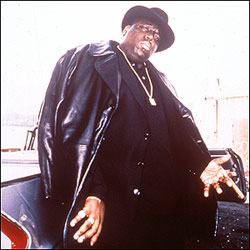
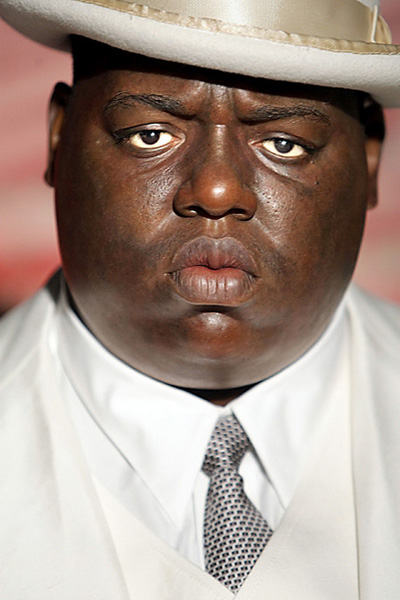
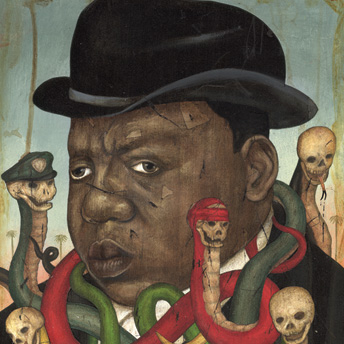
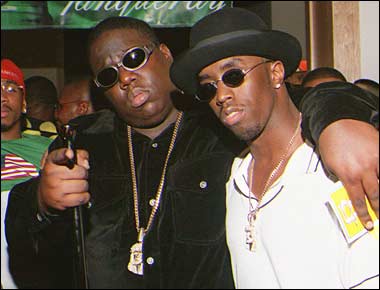
Biggie Smalls was a popular East Coast rapper, also known as The Notorious B.I.G., who was murdered in 1997 by an unknown assailant.
Christopher George Latore Wallace was born in Brooklyn, New York on May 21, 1972. He was the only child to Violetta Wallace, a Jamaican pre-school teacher, and George Letore, a small-time Jamaican politician and welder. Letore left when Christopher was two years old, leaving his mother to raise him alone. Smalls was an excellent student, winning several awards, and was nicknamed “Big” due to his large size. He grew up during the peak years of the crack epidemic in the 1980s, and started dealing drugs around the age of twelve. He attended the George WestinghouseInformation Technology High School, where Jay-Z and Busta Rhymes were also students.
At the age of seventeen, Smalls dropped out of school and became further involved with criminal activities, and was arrested on weapons charges in 1989, and sentenced to five years probation. A year later, he was arrested for dealing crack cocaine in North Carolina, and spent nine months in prison. He started rapping at a young age, and made a demo tape using the name Biggie Smalls. In March 1992, he was featured in The Source’s Unsigned Hype column, and produced a demo that was heard by Sean “Puffy” Combs at Uptown Records, who arranged to meet him. Smalls was signed by Uptown, but Combs was fired shortly afterwards, and Smalls followed him to Bad Boy Records.
Smalls began releasing a series of remixes under the name The Notorious B.I.G., and collaborated on a number of projects. On August 4, 1994, he married R&B singer Faith Evans, and soon had his first solo hit song as the double A-side single ‘Juicy / Unbelievable’ reached # 27 on the charts. His first solo album Ready to Die was released on September 14, 1994, and reached # 13 on the Billboard 200 album chart. The album was eventually certified four times platinum, and was released at a time when West Coast hip hop was prominent in the charts, shifting the focus back to East Coast rap.
In 1995, Biggie’s protégé group Junior M.A.F.I.A. released the album Conspiracy. It went gold immediately, spawning several hit singles. Biggie continued to work with other artists, collaborating on a number of hit songs. By the end of the year, Biggie Smalls was the top-selling male solo artist and rapper on the charts. However, he soon became involved in a quarrel between the East and West Coast hip-hop scenes, and became a public rival of California rapper Tupac Shakur.
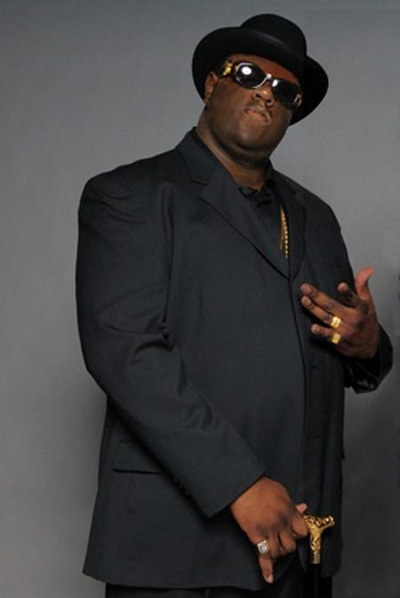
In September, 1995, Smalls began working on his second solo album, but was arrested several times in 1996 for harassment and drugs and weapons charges. In June, 1996, Shakur released a song called ‘Hit ‘Em Up’, which dissed Smalls personally and suggested that Shakur had slept with Smalls’ estranged wife Faith Evans. On September 7, 1996, Shakur was shot multiple times in a drive-by shooting in Las Vegas, dying six days later. Rumours of Smalls’ involvement in the shooting were rampant, although Smalls denied any involvement. While recording his second album, Smalls was involved in a car crash that shattered his left leg, temporarily confining him to a wheelchair. The injury forced him to use a cane once he was able to walk again.
Biggie travelled to California in March 1997 to promote his upcoming album and film a music video. On March 5, he gave a radio interview in which he claimed to have hired extra security since he feared for his safety. On March 9, Smalls and his entourage left a party at 12:30 a.m. to return to the hotel. The group was travelling in two GMC Suburbans. While stopped at a light, two vehicles pulled up alongside the Suburban carrying Biggie, where one of the drivers rolled down his window and fired numerous rounds into the Suburban. Biggie was hit in the chest by four bullets, and rushed to hospital, but was pronounced dead at 1:15 a.m.
His murder remains unsolved, and there are many theories regarding the motives and identities of the killers, many of which involve Tupac Shakur and Suge Knight, the co-founder of Death Row Records. Smalls second album was released fifteen days after his murder, entitled Life After Death, and it immediately reached # 1 on the Billboard album chart. It received strong reviews, and gained Diamond status in 2000. Smalls is considered to be one of the greatest rap artists, and The Source magazine named him the greatest rapper of all time in 2001. A biographical film of Smalls’ life named Notorious is scheduled for release in 2009.
Barack Hussein Obama, Sr. was born in 1936 in Rachuonyo District, Kenya and is the father of President Barack Obama II.
He was first married at the age of 18 in 1954. His first wife was Kezia. Together, they would have four children.
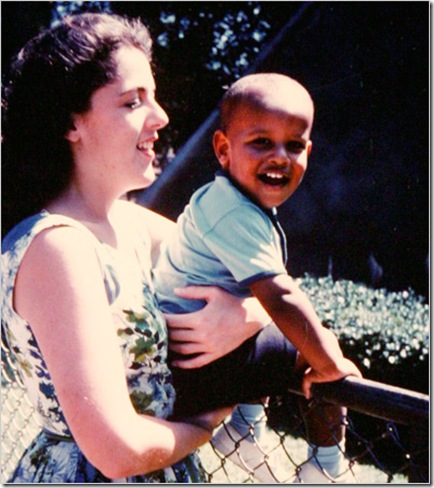
He originally attended Gendia Primary School and then Ng’iya Intermediate School after his family moved to the Siaya District. He then studied at the Maseno National School. When he was 23 years old, he entered the University of Hawaii at Manoa. There he met Ann Dunham, who he would marry on February 2nd, 1961 in Maui, Hawaii. On August 4th, 1961, their son, Barack Obama II was born. After graduating from the University of Hawaii, he went on to study at Harvard University in 1962. After much time apart, Dunham filed for divorce and Obama consented. At Harvard he met his third wife, Ruth Nidesand and had two children with her before they divorced.
He visited his son Barack only once, in 1971, after his divorce from Dunham.
When he returned to Kenya, he was hired by an oil company.
He died in a car accident in Nairobi in 1982 at the age of 46
Who killed Biggie Smalls? A former LAPD detective charges that the top brass derailed his investigation of the rap star's murder when it pointed to a cop
- - - - - - - - - - - - By Jan Golab
Oct. 16, 2000 | LOS ANGELES -- It was L.A.'s boldest gangland killing of the decade. On March 9, 1997, Notorious B.I.G. (aka Biggie Smalls, whose legal name was Christopher Wallace) was gunned down while he was leaving a star-studded Vibe magazine party after the Soul Train Music Awards. As hundreds of revelers poured into the streets, Biggie's caravan entourage rolled out of the parking garage of the Petersen Automotive Museum in the mid-Wilshire district. The famed gangsta rapper, a former New Jersey crack dealer, was sitting in the shotgun seat of a green Chevy Suburban. Rap mogul Sean "Puffy" Combs was riding in the vehicle ahead of him.
When the cars stopped at a traffic light, a dark Chevy Impala pulled up alongside Biggie's ride. The driver, a black male in a suit and bow tie, rolled down his window and fired seven shots from a blue steel 9mm semi-automatic into the green SUV's front passenger door. Four of the bullets hit their mark. Biggie, 24, was pronounced dead less than an hour later, shortly after he arrived at Cedars-Sinai Medical Center.
Although there were a dozen witnesses and hundreds of clues, the Biggie killing remains one of L.A.'s most notorious unsolved homicides. Now, a former Los Angeles Police detective charges that the department's failure to solve the case may be tied to an unfolding Rampart scandal coverup.
Last month, former LAPD Rampart task force Det. Russell Poole went public with charges that Chief Bernard Parks suppressed a report he had written on corrupt cops at the Rampart Division a full year before the scandal erupted. Poole, who resigned from the department last year after the LAPD brass ignored his complaints, also filed a lawsuit, claiming his career suffered as a result of his attempts to bring the scandal to light.
A member of LAPD's Robbery-Homicide Division elite, Poole was one of the first detectives on the special Rampart task force. His work led to the arrest of officer Rafael Perez, the rogue cop whose confessions later triggered the worst scandal in LAPD history. But Poole charges that Chief Parks suppressed his early report on troubles in the Rampart Division, and that Parks and top LAPD brass refused to adequately investigate dirty cops, even when obvious clues pointed to them.
That reluctance to get to the bottom of police corruption, Poole says in his lawsuit, hampered his investigation of the Biggie Smalls murder. When he began turning up clues that pointed to involvement by David Mack, an LAPD officer and friend of Perez serving time for an armed bank robbery, he was prevented from aggressively pursuing the investigation.
Poole's lawsuit has already made waves in Los Angeles. Days after he filed it, his attorney, Leo Terrell, presented his case at a hearing of the police commission, where he demanded Chief Parks' resignation. Parks issued a statement denying the allegations.
Meanwhile, the Los Angeles District Attorney's office, which has been conducting grand jury hearings on Rampart, called Poole in for more interviews. Prosecutors also filed court papers charging that the LAPD had intentionally hindered the criminal case against four officers in the first Rampart trial, which started last week. Echoing charges made by Poole, the court papers stated that LAPD detectives have failed to conduct thorough investigations and failed to turn over vital information to prosecutors, causing the exclusion of at least five prosecution witnesses. And in a development the DA's office insists is unrelated, the head of its Rampart prosecution team, Dan Murphy, resigned from that post, citing health concerns.
What may be the biggest new Rampart development, however, is the allegation by a former girlfriend of Rafael Perez that she saw Perez and fellow officer David Mack kill two people in the mid-1990s when a cocaine deal went bad. Sonia Flores, 23, made the allegations in an interview with the Los Angeles Times; last week she traveled to Mexico with an assistant U.S. attorney and FBI agents to show them a dump in Tijuana where she said the pair disposed of the bodies.
Sources say federal authorities could seek an indictment against Perez, since the 1999 immunity deal he cut with the DA in exchange for his testimony on the Rampart scandal won't protect him from prosecution if the FBI turns up independent evidence against him. Attorneys for Perez and Mack deny the allegations.
Eyeing return to NFL, Vick to begin workouts after prison release
By Steve Wyche | NFL.com Senior Writer
Suspended quarterback Michael Vick will begin working with a trainer and start football-related workouts shortly after being released from prison next week, according to a source familiar with the situation.
Vick will finish the final two months of his 23-month federal sentence on dogfighting charges under home confinement in Hampton, Va. He has been imprisoned in Leavenworth, Kan., since fall of 2007 after pleading guilty to funding an interstate dogfighting operation that was based at a home he owned in Surry County, Va.
Vick, who is still a member of the Atlanta Falcons, hopes to return to the NFL as soon as possible. Getting back in shape and trying to regain some of the skills that could have subsided while he was out of the game is part of the process. He will be put through conditioning and passing workouts and is said to have plenty of people who have committed to running passing routes for him, the source said.
Vick will not immediately jump into the workouts upon his return, according to the source. The three-time Pro Bowl quarterback will keep a low profile and reconnect with his family in Hampton, which is located near his hometown of Newport News. He will follow all legal guidelines, which are still being finalized, in order to fulfill his obligation for a July release.
Vick has been offered a construction job as part of a possible work-release program. He was supposed to help build homes for Habitat for Humanity, but that deal fell apart weeks ago.
Vick, at some point, is expected to meet with NFL Commissioner Roger Goodell, although the details of that meeting have yet to be determined. Vick remains indefinitely suspended and must prove to Goodell that he's worthy of reinstatement.
"Once Michael has concluded his legal proceedings, I will sit with Michael, his representatives and other professionals to understand all the circumstances," Goodell wrote in an NFL.com chat last month. "This will include: Has he learned from his horrific mistakes? Is he prepared to conduct himself in a positive fashion? And as such, continue a professional football career? Before I make my decision, it will be up to Michael to demonstrate the genuineness of his remorse and how he plans to be a positive influence."
Whether reinstatement happens in time for the 2009 season is unknown. An NFL spokesman said on Friday that no meetings between Goodell and Vick have been scheduled, adding that Vick will have to apply for reinstatement but has yet to do so.
Meanwhile, the Falcons have said they are trying to trade Vick's rights but that, as of now, there has been no interest.
Vick recently met with former Indianapolis Colts coach Tony Dungy to discuss Vick's past and future. The highly respected Dungy retired from coaching after the 2008-09 season, in part to help with his charitable and civic-based foundations and work with at-risk youths.
Today, methamphetamine is second only to alcohol and marijuana as the drug used most frequently in many Western and Midwestern states. Seizures of dangerous laboratory materials have increased dramatically—in some states, fivefold. In response, many special task forces and local and Federal initiatives have been developed to target methamphetamine production and use. Legislation and negotiation with earlier source areas for precursor substances have also reduced the availability of the raw materials needed to make the drug.(1)
Methamphetamine is a highly addictive drug with potent central nervous system stimulant properties. In the 1960s, methamphetamine pharmaceutical products were widely available and extensively diverted and abused. The 1971 placement of methamphetamine into Schedule II of the Controlled Substance Act (CSA) and the removal of methamphetamine injectable formulations from the United States market, combined with a better appreciation for its high abuse potential, led to a drastic reduction in the abuse of this drug. However, a resurgence of methamphetamine abuse occurred in the 1980s and it is currently considered a major drug of abuse. The widespread availability of methamphetamine today is largely fueled by illicit production in large and small clandestine laboratories throughout the United States and illegal production and importation from Mexico. In some areas of the country (especially on the West Coast), methamphetamine abuse has outpaced both heroin and cocaine.(2)
The drug has limited medical uses for the treatment of narcolepsy, attention deficit disorders, and obesity.(3)
As a powerful stimulant, methamphetamine, even in small doses, can increase wakefulness and physical activity and decrease appetite. A brief, intense sensation, or rush, is reported by those who smoke or inject methamphetamine. Oral ingestion or snorting produces a long-lasting high instead of a rush, which reportedly can continue for as long as half a day. Both the rush and the high are believed to result from the release of very high levels of the neurotransmitter dopamine into areas of the brain that regulate feelings of pleasure.(4)
Methamphetamine has toxic effects. In animals, a single high dose of the drug has been shown to damage nerve terminals in the dopamine-containing regions of the brain. The large release of dopamine produced by methamphetamine is thought to contribute to the drug’s toxic effects on nerve terminals in the brain. High doses can elevate body temperature to dangerous, sometimes lethal, levels, as well as cause convulsions.(5)
Long-term methamphetamine abuse results in many damaging effects, including addiction. Addiction is a chronic, relapsing disease, characterized by compulsive drug-seeking and drug use which is accompanied by functional and molecular changes in the brain. In addition to being addicted to methamphetamine, chronic methamphetamine abusers exhibit symptoms that can include violent behavior, anxiety, confusion, and insomnia. They also can display a number of psychotic features, including paranoia, auditory hallucinations, mood disturbances, and delusions (for example, the sensation of insects creeping on the skin, which is called “formication”). The paranoia can result in homicidal as well as suicidal thoughts.(6)
With chronic use, tolerance for methamphetamine can develop. In an effort to intensify the desired effects, users may take higher doses of the drug, take it more frequently, or change their method of drug intake. In some cases, abusers forego food and sleep while indulging in a form of binging known as a “run,” injecting as much as a gram of the drug every 2 to 3 hours over several days until the user runs out of the drug or is too disorganized to continue. Chronic abuse can lead to psychotic behavior, characterized by intense paranoia, visual and auditory hallucinations, and out-of-control rages that can be coupled with extremely violent behavior.(7)
Although there are no physical manifestations of a withdrawal syndrome when methamphetamine use is stopped, there are several symptoms that occur when a chronic user stops taking the drug. These include depression, anxiety, fatigue, paranoia, aggression, and an intense craving for the drug.(8)
In scientific studies examining the consequences of long-term methamphetamine exposure in animals, concern has arisen over its toxic effects on the brain. Researchers have reported that as much as 50 percent of the dopamine-producing cells in the brain can be damaged after prolonged exposure to relatively low levels of methamphetamine. Researchers also have found that serotonin-containing nerve cells may be damaged even more extensively. Whether this toxicity is related to the psychosis seen in some long-term methamphetamine abusers is still an open question.(9)
Transportation of methamphetamine from Mexico appears to be increasing, as evidenced by increasing seizures along the U.S.-Mexico border. The amount of methamphetamine seized at or between U.S.-Mexico border ports of entry (POEs) increased more than 75 percent overall from 2002 (1,129.8 kg), to 2003 (1,733.1 kg), and 2004 (1,984.6 kg).(10)
The sharp increase in methamphetamine seizures at or between U.S.-Mexico border POEs most likely reflects increased methamphetamine production in Mexico since 2002. Mexican DTOs and criminal groups are the primary transporters of Mexico-produced methamphetamine to the United States. They use POEs primarily in Arizona and southern Texas as entry points to smuggle methamphetamine into the country from Mexico. Previously, California POEs were the primary entry points used by these Drug Trafficking Organizations (DTOs) and criminal groups; however, increasing methamphetamine production in the interior of Mexico has resulted in Mexican DTOs and criminal groups shifting some smuggling routes eastward. Methamphetamine transportation from Mexico to the United States by these DTOs and criminal groups is likely to increase further in the near term as production in Mexico-based methamphetamine laboratories continues to increase in order to offset declines in domestic production.(11)
The trafficking and abuse of methamphetamine--a leading drug threat in western states since the early 1990s--have gradually expanded eastward, reaching the point where the drug now impacts every region of the country, although to a much lesser extent in the Northeast Region. In the early 1990s methamphetamine trafficking was an evident threat to California drug markets such as Fresno, Los Angeles, Sacramento, San Diego, and San Francisco. By the mid-1990s that threat had expanded to other drug markets, including Denver, Las Vegas, Phoenix, Seattle, and Yakima, Washington. By the late 1990s and early 2000s--as methamphetamine production and distribution remained very high in western states--methamphetamine trafficking continued its eastward expansion (see 2006 National Drug Threat Assessment, Appendix A, Map 4), supported by distribution by Mexican criminal groups and high levels of local production.(12)
The eastward expansion of the drug took a particular toll on central states such as Arkansas, Illinois, Indiana, Iowa, Kansas, Missouri, and Nebraska. Increased methamphetamine trafficking in these states (see 2006 National Drug Threat Assessment, Appendix C, Chart 2), often in rural areas, is evidenced by a 126 percent increase (1,601 to 3,620) in reported methamphetamine laboratory seizures and an 87 percent increase (10,145 to 18,951) in methamphetamine-related treatment admissions from 1999 through 2003. Since 2003 methamphetamine trafficking has expanded farther east to areas such as southern Michigan, Ohio, and western Pennsylvania. The eastward expansion of methamphetamine trafficking and abuse has recently slowed because increasing regulation of the sale and use of chemicals used in methamphetamine production, particularly pseudoephedrine and ephedrine, has substantially decreased domestic production. However, Mexican DTOs and criminal groups have supplanted decreases in domestic production with methamphetamine that they are producing in Mexico. If they are successful, methamphetamine trafficking will spread farther eastward to encompass the entire United States.(13)
Methamphetamine laboratories also contaminate surrounding property. It is estimated that 1 pound of methamphetamine produced in a clandestine lab yields 5 to 6 pounds of hazardous waste. The resultant environmental damage to property, water supplies, farmland, and vegetation where labs have operated costs local jurisdictions thousands of dollars in clean up and makes some areas unusable for extended periods of time. Damage to some areas is extensive. For example, U.S. Forest Service officers have encountered tree “kills” in areas surrounding small toxic labs (STLs), and ranchers in Arizona have reported suspicious cattle deaths in areas downstream from labs.(14)
According to the 2004 National Survey on Drug Use and Health, approximately 11.7 million Americans ages 12 and older reported trying methamphetamine at least once during their lifetimes, representing 4.9% of the population ages 12 and older. Approximately 1.4 million (0.6%) reported past year methamphetamine use and 583,000 (0.2%) reported past month methamphetamine use.(15)
Among students surveyed as part of the 2005 Monitoring the Future study, 3.1% of eighth graders, 4.1% of tenth graders, and 4.5% of twelfth graders reported lifetime use of methamphetamine. In 2004, these percentages were 2.5%, 5.3%, and 6.2%, respectively.(16)
The Youth Risk Behavior Surveillance (YRBS) study by the Centers for Disease Control and Prevention (CDC) surveys high school students on several risk factors including drug and alcohol use. Results of the 2005 survey indicate that 6.2% of high school students reported using methamphetamine at some point in their lifetimes. This is down from 7.6% in 2003 and 9.8% in 2001.(17)
Available data on typical methamphetamine users reveal that most are white, are in their 20’s or 30’s, have a high school education or better, and are employed full- or part-time. Methamphetamine is used by housewives, students, club-goers, truckers, and a growing number of others. Almost as many women as men use methamphetamine (55 percent male, 45 percent female.)(18)
Between October 1, 2004 and January 11, 2005, there were 1,136 Federal offenders sentenced for methamphetamine-related charges in U.S. Courts. Approximately 95.9% of these methamphetamine cases involved a trafficking offense. Between January 12, 2005 and September 30, 2005, there were 3,703 Federal offenders sentenced for methamphetamine-related charges in U.S. Courts. Approximately 97.5% of the cases involved trafficking.(19)
DEA DRUG SEIZURES
In 2005, the DEA seized 2,148.6 kgs of methamphetamine. For prior years, click here.
Methamphetamine is a Schedule II narcotic under the Controlled Substances Act (CSA), Title II of the Comprehensive Drug Abuse Prevention and Control Act of 1970. The chemicals that are used to produce methamphetamine are also controlled under the Comprehensive Methamphetamine Control Act of 1996 (MCA). This legislation broadened the controls on listed chemicals used in the production of methamphetamine, increased penalties for the trafficking and manufacturing of methamphetamine and listed chemicals, and expanded the controls of products containing the licit chemicals ephedrine, pseudoephedrine and phenylpropanolamine (PPA).(20)
Signed in October 2000, the Children's Health Act of 2000 includes provisions dealing with methamphetamine prevention, production, enforcement, treatment and abuse.(21)
In December 2005, the House of Representatives passed the Combat Methamphetamine Epidemic Act of 2005, the first step in enacting a nationwide measure to require drugs containing ephedrine, pseudoepedrine, and phenylpropanolamine to be kept behind pharmacy counters and purchased only after identification and sign in of buyer, as well as limit purchases to no more than 9 grams per 30-day period. The legislation also adds further restrictions on the impact on meth precursor chemicals through increased accountability to Federal regulators at all points of distribution, and enhances penalties for persons manufacturing meth in areas where children reside.(22)
On March 9, 2006, President Bush signed the USA PATRIOT Improvement and Reauthorization Act of 2005, which includes provisions to strengthen Federal, state, and local efforts to combat the spread of methamphetamine.(23)
Unlike imported drugs such as heroin or cocaine, methamphetamine is easy to produce domestically. It is synthesized from precursor chemicals using relatively easy production methods that are commonly available on the Internet or in underground publications; anyone with high school chemistry experience can “cook” methamphetamine. Many of the base chemicals are household or farm products that are not feasible to regulate. However, other elements (ephedrine and pseudoephedrine products, and anhydrous ammonia) have come under serious scrutiny, and Federal and State legislation now monitors their sale and limits their availability.(24)
Chemist Albert Hofmann, working at the Sandoz Corporation pharmaceutical laboratory in Switzerland, first synthesized LSD in 1938. He was conducting research on possible medical applications of various lysergic acid compounds derived from ergot, a fungus that develops on rye grass. Searching for compounds with therapeutic value, Hofmann created more than two dozen ergot-derived synthetic molecules.(1)
LSD is sold on the street in tablets, capsules, and occasionally in liquid form. It is an odorless and colorless substance with a slightly bitter taste that is usually ingested orally. It is often added to absorbent paper, such as blotter paper, and divided into small decorated squares, with each square representing one dose.(2)
CONTROL STATUS
LSD is a Schedule I substance under the Controlled Substances Act. Schedule I drugs, which include heroin and MDMA, have a high potential for abuse and serve no legitimate medical purpose.(3) Its two precursors lysergic acid and lysergic acid amide are both in Schedule III of the CSA. The LSD precursors ergotamine and ergonovine are List I chemicals.(4)
The short-term effects of LSD are unpredictable. They depend on the amount of the drug taken; the user's personality, mood, and expectations; and the surroundings in which the drug is used. Usually, the user feels the first effects of the drug within 30 to 90 minutes of ingestion. These experiences last for extended periods of time and typically begin to clear after about 12 hours. The physical effects include dilated pupils, higher body temperature, increased heart rate and blood pressure, sweating, loss of appetite, sleeplessness, dry mouth, and tremors. Sensations may seem to "cross over" for the user, giving the feeling of hearing colors and seeing sounds. If taken in a large enough dose, the drug produces delusions and visual hallucinations.(5)
LSD users often have flashbacks, during which certain aspects of their LSD experience recur even though they have stopped taking the drug. In addition, LSD users may develop long-lasting psychoses, such as schizophrenia or severe depression. LSD is not considered an addictive drug - that is, it does not produce compulsive drug-seeking behavior as cocaine, heroin, and methamphetamine do. However, LSD users may develop tolerance to the drug, meaning that they must consume progressively larger doses of the drug in order to continue to experience the hallucinogenic effects that they seek.(6)
LSD trafficking and abuse have decreased sharply since 2000, and a resurgence does not appear likely in the near term. National-level data regarding LSD availability (such as LSD seizures and LSD-related arrests) show a sharp decrease since 2000. LSD seizures, for example, decreased 100 percent from 2000 through 2005, and LSD-related arrests decreased 84.9 percent from 2000 through 2004 (see 2006 National Drug Threat Assessment Appendix B, Table 4 and Table 5). Demand for LSD also has decreased sharply since 2000, as reflected in national-level prevalence studies. In fact, Monitoring the Future (MTF) and National Survey on Drug Use and Health (NSDUH) data show that rates of past year use for LSD have decreased significantly for nearly every sampled age group (see 2006 National Drug Threat Assessment Appendix B, Table 1 and Table 2). Production of the drug also appears to be limited--with no reported laboratory seizures in 2004--and controlled by a relatively small number of experienced chemists. Moreover, LSD distribution appears to be very limited in most areas of the country. As such, resurgence in widespread LSD distribution is unlikely in the near term.(7)
LSD is abused by teenagers and young adults in connection with raves, nightclubs and concert settings.(8)
Approximately 1.9% of eighth graders, 2.5% of tenth graders, and 3.5% of twelfth graders surveyed as part of the 2005 Monitoring the Future study reported lifetime use of LSD. Approximately 44% of eighth graders, 60.8% of tenth graders, and 69.9% of twelfth graders surveyed in 2005 reported that taking LSD regularly was a "great risk." Additional survey results indicate that 5.6% of college students and 13.4% of young adults reported lifetime use of LSD.(9)
On March 31, 2003, William Leonard Pickard and Clyde Apperson were found guilty of one count of conspiracy to manufacture and distribute more than 10 grams of LSD from August 1999 to November 2000 and one count of possession with the intent to distribute more than 10 grams of LSD on November 6, 2000. The case involving these two individuals included the largest LSD lab seizure ever made by the DEA. Agents seized 41.3 kilograms of LSD and 23.6 kilograms of iso-LSD, a by-product from the manufacture of LSD. In the history of the DEA, there have only been 4 seizures of complete LSD labs. Three of these seizures involved Pickard and Apperson.(10) Click here for more information on this story.
Heroin is an illegal, highly addictive drug. It is both the most abused and the most rapidly acting of the opiates. Heroin is processed from morphine, a naturally occurring substance extracted from the seed pod of certain varieties of poppy plants. It is typically sold as a white or brownish powder or as the black sticky substance known on the streets as “black tar heroin.” Although purer heroin is becoming more common, most street heroin is “cut” with other drugs or with substances such as sugar, starch, powdered milk, or quinine. Street heroin can also be cut with strychnine, fentanyl or other poisons. Because heroin abusers do not know the actual strength of the drug or its true contents, they are at risk of overdose or death. Heroin also poses special problems because of the transmission of HIV and other diseases that can occur from sharing needles or other injection equipment.(1)
For more information about heroin laced with fentanyl, click here.
First synthesized from morphine in 1874, heroin was not extensively used in medicine until the early 1900s. Commercial production of the new pain remedy was first started in 1898. It initially received widespread acceptance from the medical profession, and physicians remained unaware of its addiction potential for years. The first comprehensive control of heroin occurred with the Harrison Narcotic Act of 1914. Today, heroin is an illicit substance having no medical utility in the United States.(2)
Heroin can be injected, smoked, or sniffed/snorted. Injection is the most efficient way to administer low-purity heroin. The availability of high-purity heroin, however, and the fear of infection by sharing needles has made snorting and smoking the drug more common. National Institute on Drug Abuse (NIDA) researchers have confirmed that all forms of heroin administration are addictive.(3)
CONTROL STATUS
Today, heroin is an illicit substance having no medical utility in the United States. It is in Schedule I of the CSA.(4)
Intravenous users typically experience the rush within 7 to 8 seconds after injection, while intramuscular injection produces a slower onset of this euphoric feeling, taking 5 to 8 minutes. When heroin is sniffed or smoked, the peak effects of the drug are usually felt within 10 to 15 minutes. In addition to the initial feeling of euphoria, the short-term effects of heroin include a warm flushing of the skin, dry mouth, and heavy extremities.(6)
Heroin laced with fentanyl and other poisons have been known to cause death within hours.
Chronic users may develop collapsed veins, infection of the heart lining and valves, abscesses, cellulites, and liver disease. Pulmonary complications, including various types of pneumonia, may result from the poor health condition of the abuser, as well as from heroin's depressing effects on respiration. In addition to the effects of the drug itself, street heroin may have additives that do not really dissolve and result in clogging the blood vessels that lead to the lungs, liver, kidneys, or brain. This can cause infection or even death of small patches of cells in vital organs.(7)
One of the most significant effects of heroin use is addiction. With regular heroin use, tolerance to the drug develops. Once this happens, the abuser must use more heroin to achieve the same intensity or effect that they are seeking. As higher doses of the drug are used over time, physical dependence and addiction to the drug develop.(8)
Withdrawal, which in regular abusers may occur as early as a few hours after the last administration, produces drug craving, restlessness, muscle and bone pain, insomnia, diarrhea and vomiting, cold flashes with goose bumps (“cold turkey”), kicking movements (“kicking the habit”), and other symptoms. Major withdrawal symptoms peak between 48 and 72 hours after the last dose and subside after about a week. Sudden withdrawal by heavily dependent users who are in poor health is occasionally fatal, although heroin withdrawal is considered less dangerous than alcohol or barbiturate withdrawal.(9)
Four foreign source areas produce the heroin available in the United States: South America (Colombia), Mexico, Southeast Asia (principally Burma), and Southwest Asia (principally Afghanistan). However, South America and Mexico supply most of the illicit heroin marketed in the United States. South American heroin is a high-purity powder primarily distributed to metropolitan areas on the East Coast. Heroin powder may vary in color from white to dark brown because of impurities left from the manufacturing process or the presence of additives. Mexican heroin, known as "black tar," is primarily available in the western United States. The color and consistency of black tar heroin result from the crude processing methods used to illicitly manufacture heroin in Mexico. Black tar heroin may be sticky like roofing tar or hard like coal, and its color may vary from dark brown to black.(10)
Pure heroin is rarely sold on the street. A "bag" (slang for a small unit of heroin sold on the street) currently contains about 30 to 50 milligrams of powder, only a portion of which is heroin. The remainder could be sugar, starch, acetaminophen, procaine, benzocaine, or quinine, or any of numerous cutting agents for heroin. Traditionally, the purity of heroin in a bag ranged from 1 to 10 percent. More recently, heroin purity has ranged from about 10 to 70 percent. Black tar heroin is often sold in chunks weighing about an ounce. Its purity is generally less than South American heroin and it is most frequently smoked, or dissolved, diluted, and injected.(11)
Among students surveyed as part of the 2005 Monitoring the Future study, 1.5% of eighth, tenth, and twelfth graders reported lifetime use of heroin.(12)
Approximately 61.4% of eighth graders, 72.4% of tenth graders, and 60.5% of twelfth graders surveyed in 2005 reported that using heroin once or twice without a needle was a "great risk."(13)
The Centers for Disease Control and Prevention (CDC) also conducts a survey of high school students throughout the United States called the Youth Risk Behavior Surveillance System (YRBSS). Among students surveyed for the 2005 YRBSS, 2.4% reported using heroin at least one time during their lifetimes.(14)
Between October 1, 2004 and January 11, 2005, there were 391 federal offenders sentenced for heroin-related charges in U.S. Courts. Approximately 97.4% of the cases involved trafficking. Between January 12, 2005 and September 30, 2005, there were 1,279 Federal offenders sentenced for heroin-related charges in U.S. Courts. Approximately 97.8% of the cases involved trafficking.(15)
DEA DRUG SEIZURES
In 2005, the DEA seized 639 kgs of heroin. For prior years, click here.
The first comprehensive control of heroin in the U.S. occurred with the Harrison Narcotic Act of 1914. Heroin currently falls into Schedule I of the Controlled Substances Act based on its potential for abuse and its lack of accepted medical use.(16)
Today was Barack Obama’s first day in office and he’s already regarded as the best speaker of any president. Although this might be a hugely premature statement, I wouldn’t argue with it just yet. Over 2 million people came out to the inauguration and all were impressed. As well as some of the most prominent literary figures in the U.S. today. The LA Times says we should all read today’s speech as well as listen to it, as it was that good.
Obama’s economic plan focuses on 3 main points to help jump start the economy.
1. Tax cut for working families:
95% of working Americans will receive some type of tax relief. As of right now, the talk is to give a tax credit of up to $500 per person or $1,000 per working family.
2. Tax relief for small businesses and startups:
In an effort to promote innovation and job creation, Obama and Biden will eliminate all capital gains taxes for small businesses.
3. Fair Trade:
Obama and Biden will do what they can for a more fair trade policy that will help create and support good American jobs. Companies that send jobs overseas will stop receiving tax breaks.
Actual campaign video of Obama’s economic plan:
Michelle LaVaughn Robinson Obama is the current First Lady of the United States of America and the wife of President Barack Obama, the current and 44th president of the United States.
Michelle Obama was born in Chicago, Illinois on January 17th, 1964. A descendant of African-American slaves, Obama grew up in a tight knit family on the south side of Chicago. She and her brother were both very intelligent, even skipping the 2nd grade. In the sixth grade she was placed in the gifted class and went on to be an honor roll student all of her four years at Whitney Young High School. Her ability to exceed was evident in high school as she was a member of the National Honor Society, earned the position of student council treasurer, and even graduated as the class of 1981’s salutatorian.
She padded her educational resume by entering Princeton University where she majored in sociology and minored in African American studies. She graduated in 1985 cum laude with a Bachelor of Arts degree.
Obama then went on to Harvard Law School and graduated in 1988 with a Juris Doctor degree.
Her law degree led to her working at the law firm Sidley Austin along with another young lawyer named Barack Obama, who would in October of 1992 would become her husband. Together they would have two daughters, Malia (b. July 4th 1998) and Sasha (b. June 10th, 2001).
Over the subsequent years, she would hold a few jobs in the Chicago area. Those jobs would include, Assistant to the Mayor, Assistant Commissioner of Planning and Development, Executive Director for the Chicago Office of Public Allies, Associate Dean of Student Services at the University of Chicago, Vice President for Community and External Affairs for the University of Chicago Hospitals, and a board member for TreeHouse Foods Inc.
In addition to her own work, Michelle Obama has also supported her husband’s political campaigns as well. She had been active in campaigning for her husband since early in his career in politics, including his run for the United States House of Representatives in 2000.
And after her husband’s successful campaign for US Presidency in 2008, Michelle Obama became the first African-American First Lady when Barack Obama took office on January 20th, 2009
Maya Kassandra Soetoro-Ng was born on August 15th, 1970 in Jakarta, Indonesia. Born to Ann Dunham, she is the maternal half-sister of the current President of the United States of America, Barack Obama. Her father was Indonesian businessman, Lolo Soetero.
Named after Maya Angelou, Soetero-Ng attended the private Punahou School in Hawaii just as her half-brother did. She went on to graduate from Barnard College, which is located in Manhattan, New York. She would also get her Master of Arts degree in Secondary Language Studies and English from New York University. She added on to her educational resume by getting a Ph.D in International Comparative Education from the University of Hawaii at Manoa.
She used her education to work as a high school history teacher at La Pietra: Hawaii School for Girls in Honolulu, Hawaii and teaches nighttime courses at the University of Hawaii. She also worked at The Learning Project, which is an alternative middle school in New York City.
Soetoro-Ng has one child, Suhaila Ng with her husband Konrad Ng.
Maya Soetoro-Ng also campaigned for her half-bother during his run for Presidency of the United States. Her campaigning included her contribution during the 2008 Democratic National Convention
The 1997 National Youth Gang Survey was the third annual survey administered by the National Youth Gang Center. Almost 5,000 law enforcement agencies throughout the United States were surveyed, representing the largest national gang survey to date. The majority of survey recipients were part of a statistically representative sample that allowed the data to be extrapolated for the Nation as a whole. The 1997 survey used the same sample as the 1996 survey, allowing both comparative and trend analysis. The data collected from these surveys provide valuable information about the extent of the youth gang problem in the United States.
The findings of the 1997 National Youth Gang Survey are summarized below:
An estimated 4,712 cities and counties, more than half (51 percent) of all respondents, reported active youth gangs in 1997. This represents a small decrease from 1996, when an estimated 4,824 cities and counties, 53 percent of all respondents, reported active youth gangs. Moreover, small decreases between 1996 and 1997 in the percentage of respondents reporting gangs were found for each area type. Although all of these decreases were small, large cities showed the largest decrease. Large cities continued to have the highest percentage (72 percent) of jurisdictions with active youth gangs, followed by suburban counties (56 percent), small cities (33 percent), and rural counties (24 percent).
The prevalence of gangs varied considerably by region. The percentage of jurisdictions reporting active youth gangs ranged from 74 percent in the West to 31 percent in the Northeast.
Population also greatly affected the prevalence of active youth gangs in 1997. For all area types, the percentage of jurisdictions with active youth gangs increased as population increased.
The estimated number of youth gangs and gang members also decreased between 1996 and 1997. In 1997, an estimated 30,500 youth gangs and 815,896 gang members were active in the United States, compared with an estimated 31,818 youth gangs and 846,428 gang members in 1996. Despite these decreases in the overall number of youth gangs and gang members, the estimated number of youth gangs in small cities increased substantially (20.5 percent) between 1996 and 1997. In addition, the estimated number of youth gang members increased by 38.5 percent in rural counties and 5.7 percent in small cities.
The average number of youth gangs and gang members per jurisdiction increased as population increased in both 1996 and 1997. For cities and counties with populations of 1-9,999, there was considerable growth (percentage-wise) between the relatively low numbers of gangs and gang members reported in 1996 and the low numbers, compared with other population ranges, reported in 1997 (please refer back to table 12 in the text). However, the growth of the gang problem in these less populated areas is cause for concern and deserves further attention. Most population ranges, however, showed a decrease.
Nationwide, gang migration increased between 1996 and 1997.
An estimated 3,341 member-based youth gang homicides were committed in the United States in 1997, of which 1,880 were motive-based. Large cities accounted for almost two-thirds of the total estimated number of member-based homicides and nearly three-quarters of the motive-based homicides.
The crimes respondents most frequently reported as having a high degree of gang member involvement were aggravated assault and larceny/theft (28 percent), followed by motor vehicle theft (27 percent), burglary (26 percent), and robbery (13 percent). However, gang member involvement in all of the above crimes decreased between 1996 and 1997 .
Approximately 42 percent of the youth gangs in the United States were involved in the street sale of drugs for the purpose of generating profits for the gang. The average percentage of youth gangs involved in the street sale of drugs was higher in large cities and suburban counties than in small cities and rural counties. Regionally, the average percentages ranged from 50 percent in the Northeast to 30 percent in the West. The percentage of youth gangs involved in the street sale of drugs also varied directly with population.
Approximately 33 percent of youth gangs in the country were estimated to be involved in drug distribution for the purpose of generating profits for the gang. The average percentage of youth gangs involved in drug distribution was highest in large cities (31 percent), followed by suburban counties (29 percent), rural counties (29 percent), and small cities (25 percent). Additionally, youth gangs involved in drug distribution were most prevalent in the Midwest (35 percent) and least prevalent in the West (21 percent). Population size had little effect on the percentage of youth gangs involved in drug distribution.
Respondents estimated that, nationwide, youth gang members were responsible for 33 percent of crack cocaine sales, 32 percent of marijuana sales, 16 percent of powder cocaine sales, 12 percent of methamphetamine sales, and 9 percent of heroin sales. The average percentages of crack cocaine and heroin sales varied significantly between area types and were highest in large cities and suburban counties. Additionally, sales of crack cocaine, heroin, and methamphetamine by youth gang members varied significantly by region. Crack cocaine sales were most prevalent in the Midwest (38 percent), heroin sales were most prevalent in the Northeast (15 percent), and methamphetamine sales were most prevalent in the West (21 percent).
Despite the slight decrease in gang activity between 1996 and 1997, most respondents felt that the gang problem in their jurisdictions in 1997 was staying about the same.
Nationwide, gang migration increased between 1996 and 1997. Eighty-nine percent of respondents indicated that they experienced some gang migration into their jurisdictions during 1997, up from 84 percent in 1996. In addition, approximately 23 percent of youth gang members in the country were estimated to be migrants in 1997, up from 21 percent in 1996. In both years, the average percentage of youth gang migrants was highest in small cities and jurisdictions in the Midwest.
The vast majority (70 percent) of respondents cited social factors as reasons why youth gang members migrated to their jurisdictions. Establishing drug markets was the second most cited reason (15 percent), followed by avoiding law enforcement crackdowns (14 percent), participating in illegal ventures other than those related to drugs (12 percent), getting away from the gang life (9 percent), and other reasons (6 percent).
Approximately two-thirds of respondents indicated that their agencies had some type of specialized response unit to address their gang problem. Thirty-five percent reported having a youth/street gang unit or officer(s), 18 percent said they had a gang prevention unit or officer(s), and 29 percent indicated they had a unit that combined both types of response. Large cities and jurisdictions in the West were the most likely to have a specialized response unit. In addition, the prevalence of specialized response units increased as population increased.
Despite the slight decrease in gang activity between 1996 and 1997, most respondents (45 percent) felt that the gang problem in their jurisdictions in 1997 was staying about the same, 35 percent indicated it was getting worse, and 20 percent felt it was getting better. In contrast, 49 percent of respondents to the 1995 survey believed that their problem was getting worse, 41 percent said it was staying about the same, and 10 percent reported it was getting better. Most suburban and rural county respondents (43 percent) to the 1997 survey felt their youth gang problem was getting worse. Regionally, respondents in the South believed their gang problem worsened in 1997.
The National Youth Gang Center will continue to analyze these data, and subsequent surveys will gather additional information in areas that require further examination. Other researchers also will have access to the NYGC database for analysis.
DEA Fugitive: ARREOLA, Bruno
NAME:
ARREOLA, Bruno
FUGITIVE NCIC#:
W104330674
WANTED FOR:
The following Federal Drug Violations:
Participating in a wholesale drug distribution and money laundering ring, and the seizure of 4,000 pounds of marijuana and $11 million in drug proceeds from locations on Long Island.
JURISDICTION:
New York City
AKA:
Bruno GARCIA-ARREOLA, Jose, Gato
RACE:
White Hispanic
SEX:
Male
HEIGHT:
5'11"
WEIGHT:
225 lbs.
HAIR:
EYES:
Brown
YOB:
1958
POB:
Unknown
LAST KNOWN ADDRESS:
San Diego, CA
NOTE:
DEA Fugitive: ZAPATA, Marysol
NAME:
ZAPATA, Marysol
FUGITIVE NCIC#:
W675867831
WANTED FOR:
The Following Alleged Federal Drug Violations:
21 USC 846
JURISDICTION:
Western District of New York
AKA:
Marisol ZAPATA
RACE:
White
SEX:
Female
HEIGHT:
5'3"
WEIGHT:
120
HAIR:
Black
EYES:
Brown
YOB:
1973
POB:
Medillin, CB
LAST KNOWN ADDRESS:
Jackson Heights, NY
NOTE:
Last observed on 03-18-2004 pursuant to her arrest for illegal entry into the U.S. by U.S. Border Patrol in Syracuse, NY.
Do not attempt to apprehend this individual.
Call the U.S. Marshals Service 24-hour number 1-877-WANTED2 (1-877-926-8332) or the nearest DEA office with information.
Rewards are available at the discretion of the U.S. Marshals Service.
DEA Fugitive: LOZANO-HERNANDEZ, Alba Lucia
NAME:
LOZANO-HERNANDEZ, Alba Lucia
FUGITIVE NCIC#:
W405865554
WANTED FOR:
The Following Alleged Federal Drug Violations:
21 USC 846
JURISDICTION:
Western District of New York
AKA:
Alba Luga LOZANO
RACE:
White
SEX:
Female
HEIGHT:
5'3"
WEIGHT:
130
HAIR:
Black
EYES:
Brown
YOB:
1967
POB:
Cali, CB
LAST KNOWN ADDRESS:
Queens, NY
NOTE:
Last observed on 03-18-2004 pursuant to her arrest for illegal entry into the U.S. by U.S. Border Patrol in Syracuse, NY.
Do not attempt to apprehend this individual.
Call the U.S. Marshals Service 24-hour number 1-877-WANTED2 (1-877-926-8332) or the nearest DEA office with information.
Rewards are available at the discretion of the U.S. Marshals Service
OxyContin® is a prescription painkiller used for moderate to high pain relief associated with injuries, bursitis, dislocations, fractures, neuralgia, arthritis, lower back pain, and pain associated with cancer.(1) OxyContin® contains oxycodone, the medication's active ingredient, in a timed-release tablet. Oxycodone products have been illicitly abused for the past 30 years.(2)
Oxycodone is a Schedule II narcotic analgesic and is widely used in clinical medicine. It is marketed either alone as controlled release (OxyContin®) and immediate release formulations (OxyIR®, OxyFast®), or in combination with other nonnarcotic analgesics such as aspirin (Percodan®) or acetaminophen (Percocet®). The introduction in 1996 of OxyContin®, commonly known on the street as OC, OX, Oxy, Oxycotton, Hillbilly heroin, and kicker, led to a marked escalation of its abuse as reported by drug abuse treatment centers, law enforcement personnel, and health care professionals. Although the diversion and abuse of OxyContin® appeared initially in the eastern US, it has now spread to the western US including Alaska and Hawaii. Oxycodone-related adverse health effects increased markedly in recent years. In 2004, Food and Drug Administration (FDA) approved for marketing generic forms of controlled release oxycodone products.(3)
Pharmacological effects include analgesia, sedation, euphoria, feelings of relaxation, respiratory depression, constipation, papillary constriction, and cough suppression. A 10 mg dose of orally-administered oxycodone is equivalent to a 10 mg dose of subcutaneously administered morphine as an analgesic in a normal population. Oxycodone’s behavioral effects can last up to 5 hours. The drug is most often administered orally. The controlled-release product, OxyContin®, has a longer duration of action (8-12 hours).(5)
The most serious risk associated with opioids, including OxyContin®, is respiratory depression. Common opioid side effects are constipation, nausea, sedation, dizziness, vomiting, headache, dry mouth, sweating, and weakness. Taking a large single dose of an opioid could cause severe respiratory depression that can lead to death.(6)
As with most opiates, oxycodone abuse may lead to dependence and tolerance. Acute overdose of oxycodone can produce severe respiratory depression, skeletal muscle flaccidity, cold and clammy skin, reduction in blood pressure and heart rate, coma, respiratory arrest, and death.(7)
Chronic use of opioids can result in tolerance for the drugs, which means that users must take higher doses to achieve the same initial effects. Long-term use also can lead to physical dependence and addiction -- the body adapts to the presence of the drug, and withdrawal symptoms occur if use is reduced or stopped. Properly managed medical use of pain relievers is safe and rarely causes clinical addiction, defined as compulsive, often uncontrollable use of drugs. Taken exactly as prescribed, opioids can be used to manage pain effectively.(8)
Pharmaceuticals such as OxyContin® can be diverted in many ways. The most popular form is known as "doctor shopping," where individuals, who may or may not have legitimate illnesses requiring a doctor's prescription for controlled substances, visit many doctors to acquire large amounts of controlled substances. Other diversion methods include pharmacy diversion and improper prescribing practices by physicians.(9)
According to Monitoring the Future (MTF), rates of nonmedical use of prescription painkillers are relatively high among teenagers and include a significant increase in the abuse of OxyContin® among twelfth graders (see Appendix B of the 2006 National Drug Threat Assessment, Table 1 and Table 2).(10)
The 2005 MTF shows annual use of OxyContin® by 12th graders has risen from 4.0 percent in 2002 to 5.5 percent in 2005. OxyContin® use has remained more stable in the lower grades since 2002, with 1.8 percent of 8th-graders and 3.2 percent of 10th-graders reporting annual use in 2005.(11)
Many States have launched efforts to curb the illegal use of OxyContin®. Louisiana, Maine, Virginia, Kentucky, Pennsylvania, and Tennessee have enacted legislation to deal with this issue. California, Hawaii, Idaho, Illinois, Indiana, Kentucky, Massachusetts, Michigan, Nevada, New Mexico, New York, Oklahoma, Rhode Island, Texas, Utah, and Washington have established prescription monitoring programs. Many more States are working to establish legislation and prescription monitoring programs to deal with diverted pharmaceuticals.(12)
Marijuana is the most commonly abused illicit drug in the United States. A dry, shredded green/brown mix of flowers, stems, seeds, and leaves of the plant Cannabis sativa, it usually is smoked as a cigarette (joint, nail), or in a pipe (bong). It also is smoked in blunts, which are cigars that have been emptied of tobacco and refilled with marijuana, often in combination with another drug. It might also be mixed in food or brewed as a tea. As a more concentrated, resinous form it is called hashish and, as a sticky black liquid, hash oil. Marijuana smoke has a pungent and distinctive, usually sweet-and-sour odor.(1)
The main active chemical in marijuana is THC (delta-9-tetrahydrocannabinol). The membranes of certain nerve cells in the brain contain protein receptors that bind to THC. Once securely in place, THC kicks off a series of cellular reactions that ultimately lead to the high that users experience when they smoke marijuana.(2)
CONTROL STATUS
Marijuana is a Schedule I substance under the Controlled Substances Act (CSA). Schedule I drugs are classified as having a high potential for abuse, no currently accepted medical use in treatment in the United States, and a lack of accepted safety for use of the drug or other substance under medical supervision.
Grass, pot, weed, bud, Mary Jane, dope, indo, hydro(3)
SHORT-TERM EFFECTS
When marijuana is smoked, its effects begin immediately after the drug enters the brain and last from 1 to 3 hours. If marijuana is consumed in food or drink, the short-term effects begin more slowly, usually in 1/2 to 1 hour, and last longer, for as long as 4 hours. Smoking marijuana deposits several times more THC into the blood than does eating or drinking the drug.(4)
Within a few minutes after inhaling marijuana smoke, an individual’s heart begins beating more rapidly, the bronchial passages relax and become enlarged, and blood vessels in the eyes expand, making the eyes look red. The heart rate, normally 70 to 80 beats per minute, may increase by 20 to 50 beats per minute or, in some cases, even double. This effect can be greater if other drugs are taken with marijuana.(5)
As THC enters the brain, it causes a user to feel euphoric— or “high”—by acting in the brain’s reward system, areas of the brain that respond to stimuli such as food and drink as well as most drugs of abuse. THC activates the reward system in the same way that nearly all drugs of abuse do, by stimulating brain cells to release the chemical dopamine.(6)
A marijuana user may experience pleasant sensations, colors and sounds may seem more intense, and time appears to pass very slowly. The user’s mouth feels dry, and he or she may suddenly become very hungry and thirsty. His or her hands may tremble and grow cold. The euphoria passes after awhile, and then the user may feel sleepy or depressed. Occasionally, marijuana use produces anxiety, fear, distrust, or panic.(7)
Someone who smokes marijuana regularly may have many of the same respiratory problems that tobacco smokers do, such as daily cough and phlegm production, more frequent acute chest illnesses, a heightened risk of lung infections, and a greater tendency toward obstructed airways. Cancer of the respiratory tract and lungs may also be promoted by marijuana smoke. Marijuana has the potential to promote cancer of the lungs and other parts of the respiratory tract because marijuana smoke contains 50 percent to 70 percent more carcinogenic hydrocarbons than does tobacco smoke.(8)
Marijuana's damage to short-term memory seems to occur because THC alters the way in which information is processed by the hippocampus, a brain area responsible for memory formation. In one study, researchers compared marijuana smoking and nonsmoking 12th-graders' scores on standardized tests of verbal and mathematical skills. Although all of the students had scored equally well in 4th grade, those who were heavy marijuana smokers, i.e., those who used marijuana seven or more times per week, scored significantly lower in 12th grade than nonsmokers. Another study of 129 college students found that among heavy users of marijuana critical skills related to attention, memory, and learning were significantly impaired, even after they had not used the drug for at least 24 hours.(9)
Overall marijuana production in Mexico--the principal source of foreign-produced marijuana to U.S. drug markets appears to be increasing. Mexico marijuana production estimates indicate that production in Mexico was relatively low from 2000 through 2002 during a period of drought, increased sharply in 2003 as weather improved, and receded slightly in 2004 (see 2006 National Drug Threat Assessment, Table 5). Moreover, anecdotal reporting and cannabis eradication and marijuana seizure data all indicate that marijuana production in Canada has recently increased, perhaps significantly. Domestic marijuana production also appears to be increasing, according to law enforcement reporting that reveals a significant increase in eradication of domestic marijuana grow sites in 2005. Domestic Cannabis Eradication/Suppression Program (DCE/SP) data indicate that domestic cannabis eradication--occurring primarily in California, Kentucky, Tennessee, Hawaii, and Washington, often on public lands including Forest Service lands (see 2006 National Drug Threat Assessment, Figure 2)--increased steadily from 2000 through 2003, decreased in 2004, and increased sharply to its highest recorded level in 2005. (See 2006 National Drug Threat Assessment, Table 6.)(10)
Most of the foreign-produced marijuana available in the United States is smuggled into the country from Mexico via the U.S.-Mexico border by Mexican DTOs and criminal groups; however, a sharp rise in marijuana smuggling from Canada via the U.S.-Canada border by Asian criminal groups has increased the domestic availability of marijuana produced in Canada.(11)
Mexican criminal groups control most wholesale marijuana distribution throughout the United States; however, Asian criminal groups appear to be increasing their position as wholesale distributors of Canada-produced marijuana. According to law enforcement reporting, Mexican DTOs and criminal groups control most wholesale marijuana distribution in the Great Lakes, Pacific, Southeast, Southwest, and West Central Regions and control much of the wholesale marijuana distribution in the Northeast Region. Although Asian criminal groups are not the predominant wholesale marijuana distributors in any region, these groups, particularly Chinese and Vietnamese groups, now are widely identified in law enforcement reporting as the principal suppliers of high potency, Canada-produced marijuana throughout the country.(12)
The influence of Asian criminal groups in high potency marijuana distribution is likely to increase in the near term. Law enforcement reporting indicates that these groups are increasingly gaining control over much of the high potency marijuana production and distribution in Canada and now appear to be extending their influence in the United States. In fact, law enforcement reporting indicates that the influence of Asian organizations in drug trafficking--particularly the trafficking of high potency marijuana--in the United States is now more significant than that of Russian-Israeli, Jamaican, or Puerto Rican criminal groups (see 2006 National Drug Threat Assessment, Appendix A, Map 3).(13)
Marijuana distribution is widespread throughout the country, as evidenced by the presence of 14 principal distribution centers for the drug, one or more of which are located in nearly every region of the country (see 2006 National Drug Threat Assessment, Appendix A, Map 6). Much of the midlevel and retail distribution of marijuana in these and other cities is controlled by African American, Asian, and Hispanic street gangs; however, independent dealers control most midlevel and retail marijuana distribution in smaller communities and rural areas. In fact, independent dealers are likely to retain control of distribution in smaller communities because they often distribute locally produced marijuana rather than foreign-produced marijuana.(14)
Among students surveyed as part of the 2005 Monitoring the Future study, 16.5% of eighth graders, 34.1% of tenth graders, and 44.8% of twelfth graders reported lifetime use of marijuana. In 2004, these percentages were 16.3%, 35.1%, and 45.7%, respectively.(15)
Approximately 74% of eighth graders, 65.5% of tenth graders, and 58% of twelfth graders surveyed in 2005 reported that smoking marijuana regularly was a "great risk."(16)
The Youth Risk Behavior Surveillance (YRBS) study by the Centers for Disease Control and Prevention (CDC) surveys high school students on several risk factors including drug and alcohol use. Results of the 2005 survey indicate that 38.4% of high school students reported using marijuana at some point in their lifetimes. Additional YRBS results indicate that 20.2% of students surveyed in 2005 reported current (past month) use of marijuana.(17)
Between 2001 and 2005, marijuana use dropped in all three categories: lifetime (13%), past year (15%) and 30-day use (19%). Current marijuana use decreased 28% among 8th graders (from 9.2% to 6.6%), and 23% among 10th graders (from 19.8% to 15.2%).(18)
Between October 1, 2004 and January 11, 2005, there were 1,777 Federal offenders sentenced for marijuana-related charges in U.S. Courts. Approximately 94.9% of the cases involved marijuana trafficking. Between January 12, 2005 and September 30, 2005, there were 4,396 Federal offenders sentenced for marijuana-related charges in U.S. Courts. Approximately 95.8% of the cases involved trafficking.(19)
DEA DRUG SEIZURES
In 2005, the DEA seized 282,139 kgs of marijuana. For prior years, click here.
The campaign to legitimize what is called "medical" marijuana is based on two propositions: that science views marijuana as medicine, and that DEA targets sick and dying people using the drug. Neither proposition is true. Smoked marijuana has not withstood the rigors of science – it is not medicine and it is not safe. DEA targets criminals engaged in cultivation and trafficking, not the sick and dying. No state has legalized the trafficking of marijuana, including the twelve states that have decriminalized certain marijuana use.(20)
In the case of United States v. Oakland Cannabis Club the U.S. Supreme Court ruled that marijuana has no medical value as determined by Congress. The opinion of the court stated that: "In the case of the Controlled Substances Act, the statute reflects a determination that marijuana has no medical benefits worthy of an exception outside the confines of a government-approved research project."(21) The case reached the U.S. Supreme Court after the federal government sought an injunction in 1998 against the Oakland Cannabis Buyers Cooperative and five other marijuana distributors in California.(22)
The United States Court of Appeals for the District of Columbia Circuit issued a ruling on May 24, 2002, upholding DEA's determination that marijuana must remain a schedule I controlled substance. The Court of Appeals rejected an appeal that contended that marijuana does not meet the legal criteria for classification in schedule I, the most restrictive schedule under the Controlled Substances Act.(23)
Hydrocodone is an antitussive (cough suppressant) and analgesic agent for the treatment of moderate to moderately severe pain. Studies indicate that hydrocodone is as effective, or more effective, than codeine for cough suppression and nearly equipotent to morphine for pain relief.
Hydrocodone is the most frequently prescribed opiate in the United States with nearly 130 million prescriptions for hydrocodone-containing products dispensed in 2006. There are several hundred brand name and generic hydrocodone products marketed. All are combination products and the most frequently prescribed combination is hydrocodone and acetaminophen (Vicodin®, Lortab®, Lorcet®).
Hydrocodone diversion and abuse has been escalating in recent years. In 2006, hydrocodone was the most frequently encountered opioid pharmaceutical in drug evidence submitted to the National Forensic Laboratory Information System (NFLIS) with 25,136 exhibits; the System to Retrieve Investigational Drug Evidence (STRIDE) analyzed 654 exhibits in 2006. In the 2005 Drug Abuse Warning Network (DAWN) combination products were associated with more emergency room visits than any other pharmaceutical opioid with an estimated 51,225 emergency room visits. Poison control data, medical examiners’ reports, and treatment center data all indicate that the abuse of hydrocodone is associated with significant public health risks, including a substantial number of deaths.
CONTROL STATUS
When the CSA was enacted in 1971, hydrocodone as a substance by itself was placed in schedule II while products, containing hydrocodone in specified amounts and in combination with other active ingredients, were placed in schedule III and V. At that time, hydrocodone was primarily utilized as a cough suppressant with limited prescriptions. Today, hydrocodone products are increasingly utilized for pain management and are the most frequently dispensed opioid pharmaceuticals in the United States.
Hydrocodone in an analgesic and antitussive agent structurally similar to codeine but with effects more similar to morphine.
Hydrocodone is abused for its opioid effects. Widespread diversion via bogus call-in prescriptions, altered prescriptions, theft and illicit purchases from Internet sources are made easier by the present controls placed on hydrocodone products. Hydrocodone pills are the most frequently encountered dosage form in illicit traffic. Hydrocodone is generally abused orally, often in combination with alcohol.
As with most opiates, abuse of hydrocodone is associated with tolerance, dependence, and addiction. The co-formulation with acetaminophen carries an additional risk of liver toxicity when high, acute doses are consumed. Data suggests that some individuals who abuse very high doses of acetaminophen-containing hydrocodone products may be spared this liver toxicity if they have been chronically taking these products and have escalated their dose slowly over a long period of time.
Hydrocodone has been encountered in tablets, capsules and liquid form in the illicit market. However, tablets containing acetaminophen are the most frequently encountered products. Hydrocodone is not clandestinely produced and diverted pharmaceuticals are the primary source of the drug for abuse purposes. In 2006 alone, the DEA has documented the diversion of millions of dosage units of hydrocodone from illicit Internet sources. Doctor shopping, altered or fraudulent prescriptions, bogus call-in prescriptions, diversion by unscrupulous physicians and pharmacists, and drug theft are also major sources of the diverted drug.
Every age group has been affected by the relative ease of hydrocodone availability and the perceived safety of these products by medical prescribers. Sometimes viewed as a “white collar” addiction, hydrocodone abuse has increased among all ethnic and economic groups. Of particular concern is the prevalence of illicit use of hydrocodone among school age children. In 2006, the Monitoring the Future Survey (commonly referred to as the high school survey) reported that 3%, 7% and 9.7% of 8 th, 10 th, and 12 th graders, respectively, reported non-medical use of Vicodin ® in the previous year.
The DEA is currently reviewing a petition to increase the regulatory controls on hydrocodone combination products from schedule III to schedule II of the Controlled Substances Act (CSA).
A state prison inmate who once implicated a Los Angeles police officer in the slaying of rap star Biggie Smalls testified Thursday that he recanted the allegation because of threats he received from a rival rap producer that were passed to him by a former Los Angeles Times reporter.
Waymond “Suave” Anderson, a former R&B singer, said reporter Chuck Philips passed him several written messages wrapped in plastic at Corcoran State Prison on behalf of rap mogul Marion “Suge” Knight. He said the threats led him to give false testimony at a deposition last year in a civil lawsuit brought by the family of the slain rapper, whose real name was Christopher Wallace.
Excerpt 2
Philips, who left The Times on Friday, has won many awards for his reporting, including a Pulitzer Prize in 1999. But some of his work has also been criticized. Earlier this year, the newspaper retracted one of his stories after it was revealed to have been based partly on fabricated documents.
Outside of court, Anderson’s attorney David L. Bernstein said FBI agents had informed him in January that they were investigating the allegations and provided him with copies of the alleged notes. He said they included veiled threats that suggested someone was keeping watch on Anderson’s family.
This is a quick facts biography for Barack Obama. If you’d like to read the full length version, you may do so at Barack Obama’s full biography page.
Full Name: Barack Hussein Obama II
Nickname: Barry
Birthdate: August 4, 1961
Birthplace: Kapi’olani Medical Center for Women & Children in Honolulu, Hawaii
Height: 6 feet 1 inch
University: Columbia University (grad 1983); Harvard Law School (grad 1991)
Wife: Michelle Obama
Marriage Date: October 18, 1992
Children: Malia Ann Obama (born 1999) and Natasa Obama, nickname Sasha (born 2001)
Parents: Barack Obama, Sr (from Kenya) and Ann Dunham (from Kansas)
Siblings: Maya Soetoro-Ng (half sister)
Religion: Christian
Hobbies: Basketball
Political Career
1997 - 2004 - State legislator, Chicago
2004 - United States Senate campaign
2005 - 2008 - United States Senator, Chicago. 5th African-American Senator in U.S. history.
November 4, 2008 - Barack Obama became president-elect of the United States by defeating John McCain in the general election. Final votes were 365 electoral votes for Obama and 173 votes for McCain.
“Change has come to America” -Barack Obama
Ann Dunham Soetoro was born on November 19th, 1942 in Fort Leavenworth, Kansas. She is the mother of President Barack Obama.
Born with the name Stanley, she had a very mixed heritage: English, Irish, Dutch, French, and German. A distant cousin of both Vice President Dick Cheney and President Harry S. Truman, she moved with her family to California, Texas, and Seattle, Washington after the end of World War II. In 1956, her family moved to Mercer Island, Washington where Dunham attended Mercer Island High School.
After she graduated from high school in 1960, her family moved to Hawaii where Dunham would enroll in the University of Hawaii at Manoa. She would meet Barack Obama senior there and marry him on February 2nd, 1961. She was already three months pregnant at the time of the marriage with their son, Barack Obama II. Unbeknownst to her, she was his second wife and would not find out until a later time. In 1964, after Dunham filed for divorce from Obama Sr. and it was granted.
In 1967, she married Lolo Soetoro, who she met at the University of Hawaii campus. Together they had a daughter in 1970, Maya Kassandra Soetoro. As he wanted more children and she wanted to work, issues began to arise in the marriage. They divorced in 1980.
Dunham returned to Indonesia in 1977 for fieldwork, but only Maya decided to come with her as Barack wanted to finish high school in the United States.
In 1992, she received a Ph.D in Anthropology from the University of Hawaii at Manoa. She went on to work in rural development, including working with The United States Agency for International Development, Women’s World Banking, and the Ford Foundation.
Dunham was diagnosed with ovarian cancer and uterine cancer in 1994. She passed away in 1995 at the age of 52. Her two children would spread her ashes in the Pacific Ocean at Lanai Lookout on the south side of O’ahu
Cocaine
Cocaine is a powerfully addictive stimulant drug. The powdered, hydrochloride salt form of cocaine can be snorted or dissolved in water and injected. Crack is cocaine that has not been neutralized by an acid to make the hydrochloride salt. This form of cocaine comes in a rock crystal that can be heated and its vapors smoked. The term "crack" refers to the crackling sound heard when it is heated.
Regardless of how cocaine is used or how frequently, a user can experience acute cardiovascular or cerebrovascular emergencies, such as a heart attack or stroke, which could result in sudden death. Cocaine-related deaths are often a result of cardiac arrest or seizure followed by respiratory arrest.
Crack is a powerfully addictive drug of abuse. Individuals who have tried crack/cocaine have described the experience as a powerful high that gave them a feeling of supremacy. However, once someone starts taking cocaine, one cannot predict or control the extent to which he or she will continue to use the drug.
The primary method of using crack/cocaine is by smoking a rock form. Health risks exist regardless of whether crack/cocaine is inhaled (snorted), injected, or smoked. However, it appears that compulsive cocaine use may develop even more rapidly if the substance is smoked rather than snorted. Smoking allows extremely high doses of crack to reach the brain very quickly and results in an intense and immediate high. The injecting drug user is also at risk for acquiring or transmitting HIV infection/AIDS if needles or other injection equipment are shared.
Those who arrived as spectators at the federal courthouse in downtown Los Angeles on July 6th expecting to observe the fourth day of testimony in the Notorious B.I.G. wrongful-death suit swiftly discovered that they were on hand to bear witness to something else: history. In an announcement that stunned everyone who had been following the case in the media, presiding judge Florence-Marie Cooper abruptly suspended the proceedings and called a mistrial. Only a handful in the courtroom knew of the remarkable events of the previous days: an anonymous late-night phone tip; the extraordinary lockdown of a Los Angeles Police Department division; a stash of secret, incriminating documents. But the following day, Judge Cooper issued a written ruling stating that she had come to believe the LAPD had deliberately concealed a massive amount of evidence that attested to the involvement of rogue officers in the rapper's slaying.
The implications of the judge's decision extended far beyond the mystery of B.I.G.'s unsolved murder. For months, Los Angeles' most prominent political figures and police officials, along with the city's most influential media, had been insisting that this legal claim by B.I.G.'s family was nothing more than a nuisance suit, based on an outlandish conspiracy theory that attempted to tie a group of LAPD officers -- affiliated with Suge Knight's Death Row Records and the Bloods gang -- to not only the murders of B.I.G. and Tupac Shakur, but also to the origins of the biggest police-corruption case in Los Angeles history, the so-called Rampart scandal. Yet here was one of the most respected district court judges in Southern California declaring in open court that the LAPD's lead investigator on the B.I.G. murder case for the past six years had deliberately concealed hundreds of pages of documents. The contents of these pages not only supported the conspiracy theory, but also implicated the central figure in the Rampart scandal -- the disgraced detective who was the source of the whole sorry, sordid affair -- as one of those involved in the rapper's death.
The judge's declaration of a mistrial provided one of those breathtaking moments when the facade of a Big Lie is peeled back to reveal the men behind the curtain. Suddenly, the central figures in this scandal were not the collection of corrupt police officers whose double-faced criminality has been the focus of both public and private investigations, but rather the people who hold the levers of control at the city's most powerful institutions.
Back in 2000, it looked as if all the skeletons rattling around the Rampart scandal had been locked away in deep closets. But in the spring of 2001, theories that had been discarded by both the police and the L.A. media were explored by articles in Rolling Stone and The New Yorker. Perry Sanders, the iconoclastic lawyer who would spearhead the wrongful-death lawsuit, first became involved in the case in June of that year. An attorney for murdered rap star Notorious B.I.G., a.k.a. Christopher Wallace, asked Sanders to read the Rolling Stone article. "I thought there were grounds for filing a lawsuit just based on reading the story," says Sanders. Because he takes cases only on contingency, however, the attorney had to decide whether he could justify spending hundreds of thousands of dollars and several years of his life to sustain a federal court claim against the city of Los Angeles.
Angular and fit, the fifty-one-year old Sanders is a mercurial Louisianan whose shaved head and pale eyes give him the look of a more intelligent Bruce Willis. The son of Perry R. Sanders Sr., one of the South's best-known Baptist ministers, the attorney had devoted much of his young adulthood to the music business; he performed as a guitarist and vocalist all across the Southern club circuit during his years in college and law school. By the time he passed the bar in 1982, Sanders co-owned the Baton Rouge recording studio Disk Productions, where he and two partners composed and recorded jingles for companies including Hilton and Honda. Within a few years, Sanders moved on to Nashville, working in entertainment law by day and as a writer and producer at night, then to L.A., where he was a partner in the studio West Side Sound. Eventually, he returned to Louisiana and the practice of law, specializing in environmental and civil-rights cases. He made enough money by his mid-forties that he could devote his considerable energies to whatever interested him.
"The B.I.G. case interested me plenty," Sanders says, but he and his sometime associate, Colorado attorney Rob Frank, were at that moment embroiled in a massive environmental suit against the Schlage Lock Company. Not sure if he could afford what the B.I.G. lawsuit would demand, Sanders dispatched Frank to meet with the murdered rapper's mother, Voletta Wallace, in New York. "After meeting with Voletta," Frank recalls, "I reported back to Perry that we may or may not have a great case, but we certainly had a great client."
Tall and bespectacled, Wallace still speaks in the lilting accent she brought with her when she moved to New York from Trelawny, Jamaica, as a young girl in 1959. She remembers Christopher not just as a world-famous rap star but also as the largest five-year-old in their Brooklyn neighborhood -- a boy who was already living with the nickname "Big" by the time he turned ten. She worked two jobs to raise him alone from the age of two, when B.I.G.'s father, a small-time Jamaican politician named George Latore, abandoned the family. To this day, she seems to be as proud of the prizes her son won as an English student at Queen of All Saints Middle School as she is of the awards he received for his rap albums.
Before her son's murder, she says, "I trusted everyone. I trusted the Los Angeles Police Department. I had to believe that they wanted to find out who the murderer of my son was. I had no idea there were such powerful forces involved in all of this." After reading about LAPD officer David Mack's alleged involvement in her son's murder, Wallace decided to pursue a civil action. "I wasn't thinking about the world that I was taking on, only that something was not right and I have to make it right. If I have to sue them for that, I was gonna do it."
By early 2002, Sanders had weighed what he learned from Wallace and arrived at a decision, filing a civil-rights claim in the federal district court of central California. "We knew it was a long shot," he admits. The lawsuit accused the LAPD of "policies and practices" that permitted officers to obtain employment with Death Row Records and enabled at least one of them, David Mack, to conspire with his friend Amir Muhammad in the murder of Notorious B.I.G. "Even then we didn't appreciate the magnitude of what we were getting ourselves into," says Frank. As it dawned on them, each attorney drew upon the other's strengths. The forty-year-old Frank, with his blond beard, slumped shoulders and self-deprecating attitude, was a skilled legal technician who handled most of the briefs and motions, but deferred to Sanders in matters of strategy and presentation. Despite his reputation as a brilliant attorney, Sanders' Southern accent and good-time grin initially made it difficult for a lot of people in L.A. to take him seriously. "Being underestimated," he admits with a sly smile, "was our biggest advantage at the beginning of the case."
He and Frank would soon recognize, however, that the strange facts of Biggie's murder and the convoluted web of events and people surrounding it would become their greatest assets.
When LAPD officials tried to explain how the murder of Notorious B.I.G. had gone unsolved for eight years, one excuse they could not offer was a lack of witnesses. Dozens of people had been on the street at forty-five minutes past midnight on March 9th, 1997, when B.I.G. was shot to death. At least seven people, including two of those who had been in the car with B.I.G., had gotten a good enough look at the killer to help the police create a composite drawing of the man. As many as a hundred others witnessed the thing go down.
The killer, it seemed, had exploited a recent complacency among those in B.I.G.'s entourage. Death Row Records' infamous CEO, Marion "Suge" Knight, had been sent to prison a month earlier; there was a general feeling that hostilities between the major East Coast and West Coast rap labels were cooling and that the gun violence, which had climaxed with Tupac Shakur's murder in Las Vegas six months earlier, might be at an end. Perhaps even the blue-jacketed Crips who had backed Puffy Combs and B.I.G. could make peace with the red-coated Bloods behind Suge and Tupac, some people hoped.
B.I.G.'s murder took place on the last day that he and Combs were to spend in Los Angeles. B.I.G. and Combs did not decide until that afternoon to attend the evening's Vibe magazine party at the Petersen Automotive Museum in L.A.'s Miracle Mile District. The party would be a closed event for music-industry executives, Combs had been told; security would not be a problem. The scene at the Petersen Museum apparently had been quite mellow, especially given the complications suggested by the guest list. Among the women in attendance, for example, was B.I.G.'s estranged wife, Faith Evans, whom Shakur, on his last record, had famously claimed to have "fucked" as a way of settling scores with her husband. Death Row rapper DJ Quik had shown up with ten fearsome-looking Treetop Piru Bloods in tow, while the dozen or so Crips who wangled invitations included Orlando Anderson, widely believed to have pulled the trigger on Shakur. By midnight, the museum was crammed with many more people than it was permitted to contain, and a majority were smoking marijuana. At 12:30 a.m., the air was so thick with smoke that an announcer warned the crowd, "The fire marshal's gonna turn the party out!"
B.I.G., Combs and the rest of the Bad Boy contingent headed for the nearest exit. In the cool, fresh air outside, B.I.G. and Combs waited for valets to deliver their vehicles and debated whether to hit another party or head back to the Westwood Marquis. Combs decided they should just return to their hotel and climbed into a white Chevy Suburban next to his driver, Kenneth Story, with his three bodyguards in the back seat. B.I.G. lifted himself into the passenger seat of a green Suburban, next to his driver, Gregory "G-Money" Young, while Junior M.A.F.I.A. rapper James "Lil' Caesar" Lloyd, who had grown up with B.I.G. in Brooklyn, and B.I.G.'s best friend, Damien "D-Rock" Butler, rode in the back seat.
Combs, in the lead, blew through the amber light at Wilshire as the signal turned red and Biggie's vehicle stopped on the south side of the intersection. A white Toyota Land Cruiser promptly made a U-turn and tried to cut between Biggie and a trailing Chevy Blazer driven by Bad Boy's director of security. At that moment, a black Impala SS pulled up on the Suburban's right side. The driver, alone in the sedan, was a black male whose blue suit, bow tie and fade haircut suggested Louis Farrakhan's Nation of Islam sect. He looked B.I.G. in the eye for a moment, then reached across his body with a blue-steel automatic pistol held in his right hand, braced it against his left forearm and emptied the gun into the front passenger seat of the Suburban. B.I.G. was the only passenger in the vehicle hit by the bullets. As the Impala sped away, heading east on Wilshire, the Land Cruiser made another U-turn and drove off. The Suburban in which Combs rode slowed nearly to a stop when Story heard the gunshots. Everyone inside ducked, then someone shouted that B.I.G. was under attack. Combs jumped out of the vehicle and ran across Wilshire to the green Suburban. When he opened the passenger-side door, Combs saw B.I.G. hunched over the dashboard with his tongue hanging out of his mouth, bleeding through his jacket. He spoke to B.I.G., Combs told police, but his friend just stared back, eyes open and blank. The terrified Combs jumped into the Suburban behind B.I.G., while Story pushed G-Money aside and drove the vehicle to the emergency dock of the Cedars-Sinai Medical Center, less than five minutes away. At the hospital, it took six people to lift B.I.G. onto a gurney. Doctors rushed him into surgery as Combs and the others dropped to their knees and prayed, but B.I.G. was pronounced dead at 1:15 a.m.
The most striking thing about the immediate investigation of the murder was the absence of detectives from the LAPD's elite Robbery-Homicide Division. "They were there that first night," notes Sergio Robleto, a former LAPD lieutenant who would eventually join Sanders on the case as a private investigator. "But they were gone by the next morning and didn't come back to the case until an entire month had passed. In thirty years, I had never seen that: a murder case involving a major celebrity that wasn't taken over by Robbery-Homicide right out of the gate."
The Wilshire detectives who handled the investigation that first month accomplished almost nothing, notwithstanding a number of promising leads. The LAPD had solid descriptions of both the killer and his vehicle, plus four spent shell casings from the gun that had fired the fatal shots. Despite multiple descriptions of the killer as "a Muslim," however, the people downtown wanted to focus attention on rumors that B.I.G. had been murdered by Crips gang members angry that they hadn't been paid for security work. "To me it was obvious this wasn't a gang shooting," says Detective Russell Poole, who, with partner Fred Miller, would become a lead investigator on the case when it was finally assigned to Robbery-Homicide in April 1997. "Biggie's murder was much more sophisticated than anything I've ever seen any gangbanger pull off. This was professionally executed."
The detective had come to the Smalls case directly from a shooting investigation that was no less controversial. It had taken place nine days after B.I.G.'s killing, on the other side of the hills, in North Hollywood. Two men -- one white, the other black -- had become embroiled in what appeared to be an out-of-control traffic dispute. Only after the black man was dead did the California Highway Patrol officers who were first to arrive on the scene discover that the shooter was undercover LAPD detective Frank Lyga, and that the dead man was off-duty LAPD officer Kevin Gaines. What was immediately a politically explosive case took the first of several strange turns when detectives ran a computer check on the customized Mitsubishi Montero that Gaines had been driving and learned it was registered to Suge Knight's estranged wife, Sharitha. Poole and Miller soon received a tip that Gaines, although married, had been living with a girlfriend in the Hollywood Hills -- in a gated mansion owned by Suge Knight. Gaines' girlfriend, it turned out, was Sharitha, who, among other things, had served as Snoop Dogg's manager.
Rumors had been circulating for months that there was a cadre of black LAPD officers employed as "security" by Death Row, despite the department's having explicitly forbidden any involvement with the gangsta rap label. But from the start, Poole's superiors discouraged him from pursuing "the Death Row aspect of the case." The LAPD brass also seemed in no hurry to vindicate Lyga, even though every bit of available evidence supported the detective's self-defense story. Poole was stymied in his efforts to move aggressively on the investigation when it was transferred to the LAPD's Internal Affairs Division, under the supervision of then-deputy chief Bernard Parks. Poole knew that under the auspices of Internal Affairs, the details of the case would be shielded from the public and the investigation would likely be more controlled by the department's top officials.
Poole's orders to steer clear of anything having to do with Death Row Records, however, were becoming difficult to obey. Officers from the LAPD's Pacific Division told Poole that Gaines regularly showed up for work wearing thousand-dollar Versace shirts and that he owned a fleet of cars, including a BMW and a Mercedes. "All this on a salary of $56,000 a year," Poole observes. Then Poole received information from a reliable prison informant that "Officer Gaines and other LAPD officers provided security for members of Death Row Records during various criminal activities . . . [They] accompanied the members during drug deals and acted as lookouts and advisers." The day after reading the informant's statement, Poole received a phone call from a detective in the Wilshire Division. The caller advised him that homicide investigators there had information that Gaines might be involved in the recent assassination of Notorious B.I.G.
The majority of clues collected by investigators assigned to B.I.G.'s murder pointed in the same direction as the word on the street did -- directly at Suge Knight. An inmate at California's Corcoran State Prison said that his cellmate, Marcus Nunn -- a Mob Piru Blood from Knight's home turf in Compton -- had confided that Knight, from behind bars, had hired another Mob Piru to take Biggie out. Nunn also said he knew the name of the person who had killed Shakur -- also on Knight's orders. A former Death Row employee claimed he could provide police with evidence that B.I.G. had been murdered by members of Knight's "goon squad."
Detectives were amazed that witnesses came forward, given the level of fear Knight inspired in virtually everyone who dealt with him. For the first time in a long while, people seemed to view Knight as vulnerable. Watching him get locked up seemed to turn the tide. Yet until the month before B.I.G.'s murder, Knight had been getting away with outrageously violent behavior for years. At the University of Nevada, Las Vegas, Knight had combined his status as an all-conference defensive end for the football team with a reputation as the biggest drug dealer on campus, while repeatedly using his athletic connections to avoid prison time. On Halloween night 1987, Knight was arrested after shooting a man twice and stealing his Nissan Maxima, yet managed to have the felony charges against him reduced to misdemeanors.
Moving home to Southern California in 1990, Knight used the constant threat and regular exercise of violence to transform himself from bodyguard to talent agent to record producer. In 1991, Knight showed up for a meeting with Ruthless Records owner Eazy-E accompanied by two of his thugs from the Bloods gang. During the next hour he "persuaded" Eazy to sign over three of his top acts -- including the leading talent in rap, Dr. Dre -- for no compensation. After launching Death Row Records with an investment by the legendary drug lord Michael "Harry-O" Harris, Knight secured $10 million from Jimmy Iovine and Ted Field of Interscope and promptly released Dr. Dre's The Chronic, which by the end of the year had become the biggest-selling rap album ever.
Despite his wealth, Knight maintained his reputation as a dangerous man. The most serious charges against him stemmed from a 1992 incident at Hollywood's Solar Records. There, surrounded by an audience of his homeboys, Knight dealt with an impudent rapper named Lynwood Stanley by pistol-whipping him and his brother George, then forcing the two to take off their pants and lie naked in front of him while he removed IDs from their wallets. He promised to have them killed if they went to the police. The brothers called the cops anyway, but Knight, with the aid of his megalomaniacal attorney David Kenner, was able to delay his trial for three years, and then persuaded both the victims and the prosecutor, Larry Longo, to back his appeal for a suspended sentence. Judge Stephen Czuleger, who did not know at the time that the Stanleys had recently signed a $1 million contract with Death Row Records -- or that a few months later, prosecutor Longo's eighteen-year-old daughter would become the first white singer signed to a Death Row contract -- recommended a nine-year suspended sentence but agreed to let Knight spend a month in a halfway house, then walk away from the whole mess with five year's probation. Knight's involvement in the melee that preceded Shakur's murder in Las Vegas in September 1996, however, would end his freedom.
As was his standard practice in securing new talent, Knight had honed in on Tupac Shakur at the lowest ebb of the rapper's life. Shakur was in the New York state prison at Dannemora, serving up to a four-and-a-half-year sentence for sexual assault and recovering from the five bullet wounds he had suffered in the lobby of the Quad Recording Studios off Times Square. Knight promised not only to solve Shakur's money problems, but to secure his release from prison as well. In October 1995, Shakur signed a three-page handwritten agreement drafted by Kenner, and within a week he walked out of prison to the white stretch limousine where Kenner and Knight waited for him. But within a year, Shakur would try to break away from Knight. First he formed his own production company, Euphanasia, to develop movie projects. And later that summer, the rapper fired Kenner as his attorney -- effectively signalling his independence. It was a move that a lot of people predicted would get him killed. At the MTV Video Music Awards held in New York a week later, Knight approached Shakur to insist he had no hard feelings; as a gesture of friendship, he invited Shakur to join him in Las Vegas for the Mike Tyson-Bruce Seldon heavyweight title fight the following weekend. When Shakur confided to his fiancee, Kidada Jones, that he felt uneasy about the trip, she advised him to wear his bulletproof vest. But Shakur said Vegas was too hot for that.
As the Death Row contingent stepped out of the MGM Grand Hotel's auditorium following the bout, one of Knight's homeboys approached Shakur to whisper in his ear. Shakur's bodyguard, Frank Alexander, saw him turn to stare at a young black man who stood on the other side of the hallway. The man was Orlando "Baby Lane" Anderson, a member of the Southside Crips. Anxious to impress Knight and the other Bloods with his continuing loyalty, Shakur charged across the hallway and threw a punch at Anderson. The Crip went to the ground immediately, said Alexander, who found it difficult to believe the skinny rapper could hit that hard. Knight and the Bloods surrounded Anderson, punching, kicking and stomping. They all fled before the police arrived, but Knight, strangely, stopped very near the scene of the crime to make a phone call.
About an hour after the fight, the Death Row crew traveled in a caravan of luxury vehicles to Knight's 662 club. At Knight's insistence, he and Shakur rode alone in Knight's BMW, listening to Shakur's newest album, Makaveli, at an obliterating volume. When the BMW stopped at a red light just off the Strip, a white Cadillac with four young black men inside pulled up on the right. The passenger in the left rear seat rolled down his window, extended the barrel of a semiautomatic pistol and sprayed the side of the BMW with thirteen bullets, mortally wounding Shakur, before the Cadillac sped away.
"When you saw it laid out, the whole thing looked pretty well planned," Poole says. "But how did the killers know Tupac would be in that car at that place at that time?" Poole's suspicions would harden into a working theory after he learned that Snoop Dogg had told the L.A. County Sheriff's office that Knight was behind Shakur's murder. Poole was further convinced after he was advised by several people who knew Knight well that he was perfectly capable of taking the risks involved in sitting so close to the target of a contract killing.
Bad news for Knight followed shortly, when the D.A.'s office in Los Angeles obtained a security camera videotape of the attack on Anderson at the MGM Grand and decided Knight's participation was a violation of his probation. When Knight showed up for his court hearing in February 1997, he was wearing not one of his famous red suits, but rather the blue coveralls of an L.A. County jail inmate. But nothing about the hearing was more remarkable than this: Southside Crip Orlando Anderson, whom virtually everyone believed to be Tupac Shakur's killer, had come to court to testify on behalf of his sworn enemy, Bloods gang member Suge Knight. "I seen him pulling people off of me," Anderson swore on the witness stand. Judge Czuleger, like virtually everyone else present, concluded that Knight was paying Anderson for this performance. Czuleger ordered Knight to begin serving the nine-year prison sentence that had been suspended two years earlier. Two weeks later, Notorious B.I.G. was shot dead in Los Angeles.
The most startling discovery he had made about the circumstances surrounding Shakur's murder, Poole told Sanders, was that among the security staff working for Death Row in Las Vegas that evening was an LAPD officer. Richard McCauley, it turned out, was the only LAPD officer who had ever officially applied for a permit to work for Death Row Records. That permit was revoked in early 1996, however, and McCauley had been ordered to avoid any association with Death Row. Information that he had violated that order, and was in Las Vegas on Death Row's payroll at the time of Shakur's killing, would produce the only investigation the LAPD has ever made of its officers' involvement with the record label.
Poole had learned about McCauley's involvement with Death Row from the senior lead officer in the LAPD's West Valley Division, Kenneth Knox. Knox had first visited Knight's CAN-AM Recording Studios on June 23rd, 1996, because of complaints from neighbors about seeing "armed gang members" coming and going from the Death Row studio; studio manager Kevin Lewis explained that the people carrying guns were not gang members but off-duty police officers. "Some are your guys," Lewis told Knox.
"As soon as it was suggested that there were at least several, and probably a lot more, LAPD officers working for this gangster organization, the brass told Knox to back off and not to get involved anymore," Poole explains. "He had become convinced that this was a huge scandal in the making." What Poole knew that Knox did not was that three other LAPD officers had been identified by informants as "associates or employees" of Death Row Records. The names of these officers are now familiar to almost everyone in Los Angeles: Kevin Gaines, David Mack and Rafael Perez.
Officer David Mack first came to the attention of detectives investigating B.I.G.'s murder in mid-November 1997, when he was arrested for one of the biggest bank robberies in L.A. history. With the assistance of a girlfriend who worked at a Bank of America branch near the USC campus, Mack and two accomplices had stolen $722,000 in shrink-wrapped bundles. He had pulled a Tec-9 semiautomatic pistol from a shoulder holster under his suit jacket, pointed it at the two women who were counting the cash and told them, "Don't touch those fucking pagers or I'll blow your heads off!"
The girlfriend rolled over on him only a month later, though, and Mack was arrested on December 16th. Mack encased himself in a hard shell from the moment detectives from the LAPD's bank-robbery squad began reading him his rights. "Take your best shot," he told them. At the Montebello City Jail, where he was locked up after his arrest, Mack informed the other inmates that they had better not fuck with him because he was a member of the Mob Piru Bloods, then boasted that the nearly $700,000 remaining from the bank robbery was "invested" in a way that would double his money by the time he was released from prison.
What most interested Poole about the arrest report on Mack was the black Impala SS parked in the garage of his house next to a wall decorated with Shakur memorabilia; detectives described it as a "shrine" to the slain rapper. When Poole asked to have Mack's Impala tested by the LAPD's Scientific Investigations Division, however, "the brass said no," he recalls. "They didn't want to 'step on the FBI's toes.' What bullshit! The LAPD has never cared about stepping on the FBI's toes."
But Mack would not become the focus of Poole's investigation until January 1998, when Poole learned that the first person to visit the arrested officer in jail was a man who went by the name Amir Muhammad. An inmate described by the L.A. County Sheriff's Department as an "ultra-reliable informant" (having already solved two homicide cases for them, deputies said) had reported that the shooter in the Biggie Smalls case was a contract killer who belonged to Louis Farrakhan's elite security squad, the Fruits of Islam, and went by the name Amir or Ashmir. The inmate had been told the killing was ordered by Knight and had something to do with the death of Tupac Shakur.
Muhammad and Mack met as scholarship athletes -- Muhammad was a running back on the football team, and Mack was an All-American middle-distance runner -- at the University of Oregon in the late 1970s. Poole took a deep breath when he first saw the driver's license photo Muhammad had presented at the Montebello City Jail: While Mack looked nothing like the composite drawing of the shooter in the Smalls case, Muhammad bore a distinct resemblance to the suspect. And Muhammad (whose legal name is Harry Billups) had used a false address and a false Social Security number when he signed in as a visitor at the jail, Poole learned.
When Poole re-interviewed B.I.G.'s best friend, Damien Butler, the detective showed Butler a photo lineup. "I'm sure this guy was standing just outside the door to the museum as we were entering the party," Butler said, as he pointed to a photograph in the upper-right-hand corner. It was Mack's mug shot.
From Poole's point of view, this evidence all but nailed Mack for involvement in B.I.G.'s murder. The detective's superiors told him they did not see it that way. "I was told, 'We're not going that way,'" Poole says. "'Just keep your mouth shut and do your job.'"
Yet Poole's follow-up interviews with Shakur's former bodyguards, Frank Alexander and Kevin Hackie, added to his mounting conviction that the primary link between the murders of B.I.G. and Shakur was Knight. Alexander told Poole he believed the assault on Orlando Anderson had been staged. Convinced by Alexander that he needed to interview Anderson, Poole found the Crip difficult to locate. He finally turned up on May 29th, 1998 -- shot to death at a car wash in Compton. Yafu Fula, a childhood friend of Shakur's who was riding in the same car with Alexander at the time of the murder, and who had told Las Vegas police he could identify the killer, was himself shot to death in November 1998 in the hallway of a New Jersey housing project.
"It just seemed incredibly convenient," Poole observes. "The best witness and main suspect in the murder of Tupac, both shot dead, while the case remained unsolved."
Poole first heard the name Rafael Perez in February 1998; still overseeing the Biggie murder investigation, he was given a list of LAPD officers who were closest to Mack. The most significant incident connecting the two went back to their days as an undercover narcotics team, when they had been involved in the shooting death of a drug dealer named Jesse Vincencio; Mack had been awarded the Police Medal, the LAPD's second-highest honor, for the shooting. Poole was struck by a statement from Perez that he owed his life to Mack and would do anything for the man. Poole learned that Perez and another black detective, Sammy Martin, had left with Mack for Vegas two days after the bank robbery, staying in a $1,500-a-night suite at Caesar's Palace and blowing through $21,000 in a weekend.
It was becoming clear that Perez was no ordinary corrupt cop. The LAPD amassed considerable evidence that Perez and his partner Nino Durden, possibly aided by other officers, were selling cocaine -- three kilos of it, stolen directly from the LAPD Property Division -- on the street. But at Perez's trial in the summer of 1998, the jury deadlocked. "That hung jury changed the whole outlook of the investigation," Poole recalls. "Parks wanted this thing over by the end of the year, but when they lost that first trial, the chief panicked, thinking, 'We gotta do something fast.' So they started pushing to make a deal with Perez."
That deal would have a bigger impact on Los Angeles than any ever negotiated by the city with a criminal defendant. Perez was recast as a whistle-blower, a flawed but ultimately heroic man exposing the corruption around him. Over a period of weeks, and then months, Perez went on to implicate more than seventy officers with whom he had worked at the LAPD's Rampart Division in assorted crimes and abuses against the community's largely Hispanic population. The story Perez told became increasingly byzantine, with descriptions of a "crash pad" where a "secret society" of Rampart officers debauched themselves with stolen drugs and coerced prostitutes; of prizes given for shooting gang members; and of cover-ups by assorted supervisors. All along, Perez insisted he knew of no criminal activity by either Mack or Martin.
In September 1999, Bernard Parks, now the chief of police, held a news conference to announce that a total of twelve LAPD officers had already been relieved of duty on the basis of what Perez said. From the start, The Los Angeles Times framed the story in the context of the Rodney King beating -- the brutalization of minority victims by blue-suited brutes. Parks addressed the Los Angeles City Council the next day and made the remarkable statement, "We take Rafael Perez at his word." On and on it went: lawsuits, indignant editorials, a cottage industry for the political left in L.A. Despite failing five city-administered polygraph tests, Perez would be sentenced to just five years, less time served, for the cocaine thefts, and receive immunity for all other crimes to which he had confessed. To some, it seemed as if one of the dirtiest cops in the history of the LAPD was playing puppet master to the whole city.
The inconsistencies in Perez's story emerged slowly. First, the LAPD was never able to find the crash pad Perez had described. When Perez appeared at an LAPD trial board to testify against former colleague Lawrence Martinez, whom he had accused of helping to frame two gang members on gun charges, Martinez's attorney pinned him down on the date, got Perez to name the informant he met with shortly before the arrest, then promptly demonstrated that the man had been in prison on that date. "The problem with Perez," the attorney said, "is that he's told so many lies that he's confused. He doesn't know what the truth is anymore."
Chief Parks continued to back Perez, telling reporters "seventy to eighty percent" of what Perez claimed in his "confessions" had been verified by LAPD investigators. Yet by early 2001, all eleven of the Rampart officers subjected to Board of Rights disciplinary hearings, in which the main witness against them was Perez, had been exonerated -- because, as the LAPD captain who presided over one of those hearings put it: "Perez has shown himself not to be a credible witness."
By this point, though, the official story line of the Rampart scandal had achieved the sort of critical mass that made those who questioned it irrelevant. In May 2000, the L.A. Times ran an article under the headline MAN NO LONGER UNDER SCRUTINY IN RAPPER'S DEATH. It was written by Chuck Philips, a Pulitzer Prize-winning music-industry reporter. An LAPD detective had told Philips that the department was no longer investigating the theory that Mack and Muhammad had been involved in B.I.G.'s murder. The article, however, raised many more questions than it answered. The detective quoted in the piece gave no explanation for why the LAPD had abandoned this "theory." LAPD detectives told Philips they still wanted to interview Muhammad -- but didn't explain why (if he was no longer a suspect), or why they had neglected to contact him. And while Philips did speak to Muhammad, he failed to report any answer to the most obvious question: If Muhammad's visit to Mack in jail when he was arrested in December 1997 was an innocent contact between two old friends, why had the man used a false address, false Social Security number and an out-of-service phone number to arrange it?
But the Times had overlooked many details about Muhammad. The newspaper had not reported that on October 21st, 1998, Muhammad had been arrested in the city of Chino for "firearm brandishing," in an incident where he was reported to have pulled his black BMW sedan up alongside the white Blazer in which his ex-girlfriend, Angelique Mitchell, and her new boyfriend rode and pointed a pistol at the couple. Police found a semiautomatic Beretta with an eight-round clip in Muhammad's car when they pulled him over. Muhammad (who was now shaving his head, rather than wearing the fade haircut he had sported at the time of B.I.G.'s murder) denied pointing the pistol at the couple, then explained that he was in the process of moving and had forgotten the gun was in his car. After providing police with a fake driver's license (in the name of "Harry Muhammad"), he was eventually cited for carrying a concealed weapon and released. Six days later, Mitchell and her boyfriend were dead from gunshot wounds to the head, in what police would rule a murder-suicide. "Harry Muhammad" waited two years, then had his weapons conviction expunged.
Still, the damage from the L.A. Times was done: In one fell stroke, the only viable theory of the Biggie Smalls murder had been discarded. Russell Poole, after quitting the force in 1999, attempted to resurrect the story by filing a federal lawsuit against the LAPD in 2000, but his case was dismissed on the grounds that the statute of limitations had expired. It looked like the subject might be buried forever, until Perry Sanders and Voletta Wallace stepped forward in early 2002 and filed a federal lawsuit that threatened not only the LAPD but everyone involved in promoting and profiting from the Rampart scandal.
During her first meeting with Rob Frank, Wallace advised the attorney that a confidential source had told her that a man named "D-Mack" was the key to solving this murder and that she had passed this information along to the police in Los Angeles. While Sanders and Frank found no mention of this tip from the victim's mother in the first batch of documents they received from the LAPD, they did discover that another informant had apparently given detectives the same tip. The attorneys later found a piece of jailhouse correspondence that Mack had signed with his street name -- D-Mack -- and the initials "MOB," for "Member of Bloods." "As soon as we saw that," Sanders says, "we knew this case wasn't as long a shot as we had feared."
The attorneys were further encouraged when they learned that the FBI was looking into B.I.G.'s murder. A young agent in the FBI's Los Angeles office, Phil Carson, had become convinced that an independent federal investigation was warranted. By late 2003, Carson was working with a pair of detectives from the LAPD's Internal Affairs Division, who apparently felt the same way. Carson and the Internal Affairs investigators phoned Sanders to ask for a meeting. He and Frank were staggered when the three investigators began the meeting by stating, "We believe you have sued the right people, and we believe other police officers were involved."
On the other hand, their depositions of Steve Katz -- the lead detective on the Biggie investigation since 1999 -- left the attorneys with the impression that the LAPD still believed it could bluff its way through this mess and, in fact, intended to make sure the Biggie murder was never solved.
The attorneys were startled by Katz's admission that during the past few months, he had made three trips to Houston in connection with two primary suspects named Richard Daniels and Tony Draper -- men never implicated by a shred of evidence -- who had been seen in a Bentley coupe the night of the shooting. Sanders and Frank could barely conceal their astonishment: The LAPD had identified the vehicle driven by the killer as a black Impala in dozens of documents, including search warrants. The attorneys asked why no forensic tests had been run on Mack's black Impala. Katz had no explanation.
The detective seemed to become confused, though, after Sanders and Frank got him to acknowledge that the FBI was focusing its investigation on the "Mack-Muhammad theory" of the case. Katz insisted that he had recently made a "plan" to interview Muhammad but was asked by the captain of the Robbery-Homicide Division to "hold off," because the FBI was still investigating. He had been considering placing a wiretap on Muhammad, Katz admitted. Why, the attorneys asked, would he do that? Because Muhammad was still a suspect in the murder, answered Katz, apparently forgetting that he had earlier stated that Muhammad was not a prime suspect. Katz acknowledged that there was one piece of evidence that implicated Muhammad in this crime: a witness who had placed him at the scene on the night of the murder.
Sanders and Frank both knew that Katz was referring to the man they believed would be their best witness at trial, Puffy Combs' former bodyguard Eugene Deal.
Deal had impressed LAPD detectives as the most credible witness among those in the caravan of cars that had carried Combs and B.I.G. to the Petersen Museum party on the night of the murder. In his interviews with the police, Deal, a New York State parole officer, had strongly denounced the LAPD's pet theory that Crips had committed the crime, mainly because the members of the gang he met at the Petersen party that night had shown him "nothing but love." And Deal's description of the "Nation of Islam guy" who seemed to be stalking Combs as they waited for their rides after the party had always been the most intriguing statement provided by any witnesses. As the Muslim approached from the sidewalk that evening, Deal said, he "seemed to be checking them out" -- Combs in particular -- before turning to walk north in the direction from which the black Impala would come less than ten minutes later. Deal said that police never showed him a photo of Amir Muhammad, but documentary filmmaker Nick Broomfield did; with camera rolling, Deal was shown pictures of a half-dozen people who had been linked to the murder in one way or another. Deal immediately picked out one photo and said, "That's him right there."
The man in the photograph was Harry Billups, a.k.a. Amir Muhammad.
Deal was remarkably consistent in the deposition conducted this past Valentine's Day by Frank, Sanders and a lawyer from the Los Angeles city attorney's office. He was on edge from the moment he saw that "serious-looking" man in the blue suit and bow tie outside the Petersen Museum, Deal said in his deposition. "We had had a confrontation [the night before] at the Soul Train Awards with some people that were from the Nation of Islam, and I was a little worried about that," he said. As the Muslim "came close," the bodyguard recalled, "I looked him in his eye, and I showed him my weapon." Only then did the man turn and disappear among the cars that lined the street. As the Bad Boy caravan left the museum's parking structure a few minutes later, Deal rode in the lead vehicle with Combs. They had just driven past Wilshire when "I hear Tone [a member of B.I.G.'s entourage] say, 'Yo, somebody is pulling a gun at B.I.G.,'" Deal recalled, "and then I heard something go bap-bap-bap-bap-bap."
Sanders and Frank were convinced the bodyguard was a solid-gold witness. A giant of a man (six-feet-seven and 309 pounds) who carried himself with quiet confidence, Deal spoke well and without hesitation. Better yet, he had nothing to gain from his testimony in the case; in fact, he was paying a considerable price for his cooperation. After interviewing him, Deal said, the LAPD's Katz told him that "they'd be getting back in touch with me. . . . But I never heard from them after that day." But Deal believed the LAPD did speak to his employer. He was put on unpaid leave for exceeding the allowable number of hours devoted to outside employment during the time he was working for Combs. To make matters worse, Combs, a friend of Deal's since 1989, has not hired him again since learning that Deal was talking to the police.
The man who would be Diddy had failed to fully cooperate with the investigation of B.I.G.'s death ever since it had begun back in 1997. Notorious B.I.G. was not only the Bad Boy label's biggest earner, but also, supposedly, one of Combs' closest friends. Yet Puffy had made it clear from the start that he would be doing nothing to help police solve the murder. Gregory Young, who had been sitting next to B.I.G. when he was shot to death, told Poole that Combs went so far as to tell the other members of the Bad Boy entourage that "if our names even appear on a witness list, we're out of a job." And now, suddenly, the other witnesses who were in the vehicle with B.I.G. on the night of his death also seemed to be losing their memories.
Wallace has been reluctant to speak about Combs in connection to this case, but she now says, "If Puffy has been threatening people with the loss of their jobs for cooperating with the police, I want that made public . . . If -- and I'm gonna spell that capital I, capital F -- IF he did that, then I think he is lower than low."
Even with Deal on their witness list, Sanders and Frank were feeling outgunned. They added firepower in the person of Sergio Robleto, who had spent twenty-six years with the LAPD, retiring in 1995 to enter high-end private security work. His last position with the department had been commander of South Bureau Homicide, where he supervised Poole. Before agreeing to become involved in the case, Robleto asked if he could take a look at the evidence the attorneys had received from the LAPD. "It was forty-four boxes of stuff," Robleto recalls. "When I read through it, I was shocked by what I found. Percipient witnesses who were present on the street when this shooting took place haven't been interviewed by the LAPD. That just doesn't happen." Robleto was especially scandalized, he says, by the degree to which "political considerations" had compromised the B.I.G. murder investigation. "Internal Affairs made sure that anybody who said anything bad about Rafael Perez was neutralized. This case was corrupted from the start, and it only got worse as it went along."
After reading through the evidence, Robleto agreed not only to work for the plaintiffs as an investigator but also to testify in court as an expert witness. He helped develop several witnesses for the plaintiffs, including a man whom they believed could break the case wide open -- an intimidating convicted felon named Mario Ha'mmonds.
Ha'mmonds, a former partner in a small rap label called Lock Records, had a long and complicated history of both criminal conduct and cooperation with the authorities. He had been working with the FBI since the early Nineties and was passed on to the LAPD as a "confidential and reliable" informant in 1999, after the B.I.G. murder. From 1997 to 1999, he was part of Knight's protective circle at the California Men's Colony in San Luis Obispo.
A hulking figure who wore graying dreadlocks and black horn-rim glasses with his prison blues, Ha'mmonds sat in a wheelchair fingering prayer beads during his deposition in May. He was being treated for a broken neck and liver cancer, among other ailments, Ha'mmonds said, and he understood that he was not long for this world. He remained a man who could take care of himself, however; Sanders and Frank questioned him at San Quentin, where he had been transferred from the Marin County Jail (serving a sentence for identity theft and forgery), following a bloody battle with another inmate. This man had attacked him with a pen, Ha'mmonds said, after overhearing a phone conversation involving the Smalls case. Although in his wheelchair at the time, Ha'mmonds had managed to inflict what the authorities characterized as "great bodily injury" on his armed assailant. "Music, records, film -- crime," he said, in answer to a question about what kinds of businesses he had been involved in. He freely admitted that he had spent twenty-six of his forty-nine years in jails or prisons.
An Oakland native, Ha'mmonds was OG (original gangster) in the most fundamental sense of the term, having joined the much-feared Black Guerrilla Family prison gang while incarcerated as a young man. What really gave Ha'mmonds stature in the gangsta-rap world, though, was the time he had spent as an enforcer for the most powerful drug lord in Northern California, Felix Mitchell. Ha'mmonds had dropped out of the BGF in 1987, when he joined a Nation of Islam splinter group known as Five Percenters, which anointed him "a Muslim who will commit crimes in the name of Allah," as Ha'mmonds explained it. He abandoned the Five Percenters to become an orthodox Sunni Muslim in 1990, around the same time he decided to "debrief" (inform on his former fellow gang members) in order to escape the suffocating confines of the super-maximum-security prison at Pelican Bay and return to a mainline institution. Most of what he told the government involved "when we had dudes killed or we killed ourselves," Ha'mmonds said in his deposition.
Ha'mmonds had worked ever since as what he liked to call an "agent provocateur" and had been well paid for assisting the government in various investigations, in particular those involving Death Row Records and Suge Knight. His introduction to Knight was provided by Shakur: He and Pac had known each other since the late 1980s, when the future rap legend was a skinny, scared teenager living in Marin City and working as a dancer with the Digital Underground. The two of them had met up in Las Vegas for the Holyfield-Bowe heavyweight title fight in November 1995, Ha'mmonds said, and were gambling with a group that had included Knight, Snoop Dogg and several members of the Dogg Pound, at Caesar's Palace, before adjourning to the VIP room at Knight's 662 club. One night when Knight had arranged for them to be alone, Ha'mmonds recalled, Knight said, "'You're from up north, right, man? You fuck with Felix and them, right?' I said, 'Yeah.' And he mentioned Christopher Wallace -- Biggie Smalls -- and he say, 'You know, that fat punk is giving me a lot of lip and a lot of shit on the East Coast. You think you can handle it?' By 'handle it,' meaning, can you arrange or do -- assassinate -- Christopher Wallace, Biggie Smalls? I told him no." Knight seemed very disappointed: "He say, 'Aww, I thought you was hard, man.'"
But Ha'mmonds was still welcome to hang with Knight and his crew. During a video shoot in L.A., Knight had told him that there was no need to worry about drug busts and such while on location, "'cause we got LAPD.'" It was in this period that he met David Mack, whom he understood to be part of Knight's security team. "I don't trust cops," Ha'mmonds said, "regardless of how cool they is." But he felt an immediate rapport with another man he met at one of Knight's parties in Las Vegas: Amir Muhammad. He was impressed that Muhammad had greeted him in fluent Arabic.
Knight and Ha'mmonds had shared the same cellblock at San Luis Obispo Men's Colony in the late Nineties, living just ten feet from each other. Both the LAPD and the FBI communicated with him in that regard. During their first few days on the block, Ha'mmonds said, "Me and Suge Knight reacquainted ourselves from our little escapades in Las Vegas and Los Angeles, and we reminisced and laughed and jived and bullshitted about it." Their relationship became more serious when Knight began to rely upon Ha'mmonds for physical protection. Knight apparently understood that the Rolling Sixties Crips had wanted him dead. On top of that, Knight "wouldn't even trust his own Bloods associates," Ha'mmonds said, "because a lot of them wanted to do something to him there as well." Knight turned to the Muslims and brothers who either were, or had been, members of the BGF, explained Ha'mmonds: "He made sure we had money on our books, made sure that our families was taken care of." Over time, Knight began to rely on Ha'mmonds in almost every detail of daily life: "I would get people to run his errands for him . . . to run his weed over to different quads, make sure the officer was bringing us what we needed." Since Knight could barely read or write, Ha'mmonds said, "I used to sign for his packages" and spent evenings reading aloud to him in the prison yard's bleachers.
The murder of Notorious B.I.G. had taken place not long before Knight was moved to the Men's Colony, and Ha'mmonds recalled that Knight hadn't needed much time after his arrival to take credit for the killing. "He said, 'My people handled the business. They took care of him . . . and he took it like a fat bitch.' He started laughing, and he said, 'We just missed Puffy.'" At first, Knight maintained that B.I.G.'s murder was retaliation for Shakur's slaying, according to Ha'mmonds. He began to doubt this story, though, when people associated with the Bay Area rappers Too Short and E-40 offered him money to assassinate Knight, insisting it was Knight who had had Shakur killed. "They asked me, Why am I hanging out with this dude," Ha'mmonds recalled, "when you know he killed homeboy?"
Two of the names Knight had mentioned in connection to the murder were "Reg" -- believed to be Death Row's then-director of security, Reggie Wright Jr. -- and an individual he referred to as Big Sykes. Knight went on to name two other members of the "team" that had taken B.I.G. out, according to Ha'mmonds: David Mack and Amir Muhammad. Knight told Ha'mmonds that all four had helped him arrange the murder by phone while he was incarcerated at the county jail in Los Angeles, and he gradually offered details about how the killing had been accomplished: Two women who had infiltrated the Bad Boy camp provided the information about when and where B.I.G. would be exposed, and his team had coordinated events on the night of the murder using cell phones. Knight never did tell him who exactly pulled the trigger, Ha'mmonds said. He did, however, ultimately reveal that his story about B.I.G.'s killing being payback for Tupac's murder was "a smokescreen," Ha'mmonds said, adding that shortly before Knight's transfer to Mule Creek State Prison, "He say, 'Later on, down the line, you'll see the big picture. It's about money.'" Knight also told Ha'mmonds he had no concern about being charged with B.I.G.'s death. "He told me this out of his own mouth, that because LAPD was involved, that this murder would never be solved, and that 'If anybody says anything against me, I can find out.'"
For Sanders and Frank, Ha'mmonds' pretrial testimony was about as good as it could get. Still, they knew he'd pose problems as a witness -- after all, he was a snitch, a career criminal who had been involved in murders. Of greater concern: While LAPD records indicated Ha'mmonds had passed on the information about Big Sykes and Reg being involved in the Notorious B.I.G. murder, there was no mention of Mack or Muhammad in those documents. The moment he had brought up Mack and Muhammad to the LAPD, Ha'mmonds says, he was told, "We don't need to talk about that." Ha'mmonds came to believe that whatever he told the LAPD was somehow being passed on to Knight. At his last two court appearances, Ha'mmonds said, "people from Knight's camp" had taken seats in the gallery and that both had made slashing motions across their throats when he looked at them.
LAPD representatives clearly recognized how damaging Ha'mmonds' testimony could be to them: They had not only withheld tapes and materials generated by his interviews with the police during their initial surrender of evidence in the case but had blacked out his name in documents as well. Police officials relented only after Sanders and Frank discovered an obscure reference to the man and threatened a court order, persuading the LAPD to turn over everything in its possession that mentioned Ha'mmonds. This resulted in the production of documents that revealed the biggest problem for the LAPD: The department itself had vouched for Ha'mmonds' integrity when it used his statements to obtain search warrants in its investigations of Knight. During his interrogation by the city's attorneys, Ha'mmonds put it this way: "I am an honest individual. Even though I'm a criminal, I do not lie. My credibility . . . must be good, because I've made a livelihood out of this. People are in prison . . . locked up from some of the information that I have contributed to government agencies."
"The LAPD has to be asking themselves how they're going to call him a liar now," Sanders says, "when they've already called him a credible witness. I can't wait to see how the L.A. Times tries to spin this one for them."
When looking back on this nine-year-long saga of deceit and corruption, nothing is more troubling -- or more incomprehensible -- than the role played by The Los Angeles Times. Sanders bluntly describes the Times as "a co-conspirator in the cover-up."
Up until September 2002, the Times could have settled its debt to the reading public with a moderately embarrassing mea culpa -- an acknowledgment that all was not as it had seemed in the story of whistle-blower Rafael Perez and the murders of Tupac Shakur and Notorious B.I.G. Instead, the newspaper chose to go over the top with a huge two-part front-page article (written by Chuck Philips) published on the six-year anniversary of Shakur's slaying. The gist was that Shakur had been murdered by Crips gang members at the behest of Notorious B.I.G., who had offered them $1 million to do it. The Times reported that on the night of Shakur's killing, a Crips "emissary" had visited B.I.G. in the penthouse suite at the MGM Grand Hotel in Las Vegas, where the enormous rapper promised $1 million on the condition that Shakur was killed with his gun -- then placed a loaded .40-caliber Glock on the table in front of him. The only two named sources in the article about B.I.G.'s involvement were Knight and Atlanta rapper E.D.I. Mean, both of whom offered descriptions of the shootings that had already appeared in print many times. There was no documentation offered of B.I.G.'s stay at the MGM Grand or even of his presence in Las Vegas. The paper couldn't name one person who had seen one of the most famous young black men in the country -- a flamboyant rapper who weighed almost 400 pounds and traveled with an entourage -- in Las Vegas that weekend.
Within five days, the Times was forced to publish a new, shorter article -- also authored by Philips -- reporting that lawyers for the Wallace estate had produced invoices that placed B.I.G. in a New York recording studio -- Combs' "Daddy's House" -- on the evening he was supposed to have been meeting with those Crips in Las Vegas. B.I.G.'s family was even able to provide MTV with a digital tape of the song "Nasty Girls" that the rapper had recorded during that session.
After the "B.I.G. killed Tupac" article appeared, Voletta Wallace, who describes herself as "flabbergasted" by the Times' attack on her son's reputation, was immediately contacted by friends of her son who said they had been with B.I.G. in New Jersey, watching the Tyson-Seldon fight on pay-per-view, roughly an hour before the Times claimed he had been meeting Crips in Vegas. "It was so ridiculous," she says. "My son is Notorious B.I.G. If my son is gonna go to Las Vegas, don't tell me nobody didn't see him."
The deluge of biased reporting about the case had begun to wear on Sanders, he admits: "It's been a big enough drag to have a whole bunch of very good lawyers against us in this case, but to have the biggest newspaper in the state doing triple back flips to try to influence the jury against us has made it much more difficult." Still, no one on the plaintiffs' side was prepared for the front-page article by Philips that the Times ran in June, eleven days before the civil trial was scheduled to begin, under the headline INFORMANT IN RAP STAR'S SLAYING ADMITS HEARSAY.
The essence of the story was the headline: The secret informant who first told police that B.I.G.'s killer was a Nation of Islam member named "Amir" or "Ashmir" had "admitted" that his information wasn't firsthand. Philips did his best to use the man's own background -- which he had described in a sealed deposition -- against him: The informant, known as "Psycho Mike," had grown up in Compton and had shot a man to death to avenge the murder of his brother; he had joined the Black Guerrilla Family while behind bars, stabbing another inmate fourteen times as his "blood in" initiation rite. He had later experienced a religious conversion that resulted in, among other things, his becoming an informant for agencies that included the L.A. Sheriff's Department, the FBI and the DEA. He was also a diagnosed schizophrenic who had been on medication for most of his adult life and a man who had instilled fear in his enemies by cultivating a reputation for unpredictable eruptions of violence.
What the Times did not report was Psycho Mike's consistency and lucidity during his deposition. He had not been caught in a single contradiction by the city attorneys who tried to trip him up. "Ten minutes into that deposition, I knew this guy was going to be an absolutely great witness for us in court," Sanders says. "He came across as someone who was just going to tell it like it was, and to hell with you if you didn't like it."
The section of the article that embittered Sanders and Frank, though, was where Philips used Psycho Mike's February 3rd, 2005, deposition to suggest he was confessing that his information about the involvement of Mack and Muhammad in the murder had come to him secondhand. In fact, he had never said it was anything else: Most of what he knew about this case, Mike explained, had resulted from trusted friends and family connections. One of Mike's own brothers had been a professional killer (until he himself was murdered in his bed) and, in that capacity, was familiar with Muhammad, whom he also had understood to be a contract assassin. "He wasn't a stranger to my brother," the informant observed. "Two killers was in the same group."
When Psycho Mike finally met Muhammad at the house in Compton where a Death Row Records employee named Rick James lived, he said he brought up the Smalls case. Muhammad immediately dropped his voice to a "killer's whisper" and "said that if my brother was alive, I'd be dead," apparently meaning that his own brother would have killed him for his insolence. "[He said] 'I would not be here talking about it.'"
Despite what Psycho Mike claimed to know about how dangerous Muhammad was, he went along with an FBI plan to get incriminating statements from him on tape in December 2003, driving south to San Diego and knocking on the door of the house where Muhammad was then living. But Muhammad "got spooked when he seen me," Mike recalled. "Thought I was coming there to kill him" and refused to let him inside.
Almost immediately after this encounter, Psycho Mike said, someone had leaked word of the FBI investigation to Chuck Philips, who promptly produced a story for the Times that "penned me out as the source of going down to San Diego with a wire." He was furious: "I confronted [FBI agent] Phil Carson, and I wanted to jump on him. I wanted to hurt him." Carson, though, insisted he wasn't Philips' source, and even signed an affidavit stating so.
Sergio Robleto described the release of the sealed deposition transcript of the "Informant Admits Hearsay" article as "tantamount to jury tampering." And the Times' decision to reveal the informant's street name was, he believes, like "signing his death warrant." Within days of the article's publication, Robleto says, Bloods gang members found Psycho Mike's secret location, roughed him up on the street and promised to come back later and "take care of [him] for good." He disappeared immediately after this incident, and neither Robleto nor the attorneys he is working for have been able to contact him since. Sanders and Frank had expected the man to be one of their strongest witnesses but now would have to make do with a DVD of his deposition.
As the days and hours ticked down toward the start of the trial, the two attorneys realized that Mike was not the only important witness they would have to do without. Kenneth Knox, the one officer other than Poole who had attempted a substantive investigation into the relationship between Death Row Records and the LAPD, had disappeared. Robleto had last spoken to Knox in late 2004. By then retired from the police department, Knox was "extremely reluctant" to discuss Death Row Records, Robleto says: "He explained that his wife was terrified of Suge Knight." At the same time, however, Knox said he felt compelled to address the troubling manner in which his investigation had been abruptly shut down by the LAPD, which, among other things, had wiped clean his computer hard drive.
In the weeks before the lawsuit's trial date, Robleto and his associates devoted many hours to surveillance of Knox's home and saw no sign of him. "We heard he had gone to Mexico to avoid our subpoena," Robleto says, "but we wondered how he knew exactly when he needed to disappear." This raised questions about the involvement of Assistant City Attorney Don Vincent, the former police captain who was now the city's lead lawyer on the case. He has known Knox since he was seventeen -- in fact, he recruited his old friend onto the force. But in an interview with Rolling Stone, Vincent denied telling Knox to make himself scarce. Says Frank, "However it happened, his disappearance has hurt our case and helped theirs."
The attorneys were especially concerned about losing another important witness after Judge Cooper decided against them in a dispute about how the trial should be structured, ruling with the city that the case should be broken into three parts -- and that the first hurdle the plaintiffs had to get over would be the highest. Sanders and Frank knew they possessed overwhelming evidence that the LAPD had alternately neglected and obstructed an investigation into the possible involvement of LAPD officers associated with Death Row Records in the murder of Notorious B.I.G., but "you can't sue someone for the failure to fully investigate a crime," Frank explains.
To win their civil-rights lawsuit, the attorneys would have to prove that the LAPD was guilty of a "pattern and practice" that had resulted in the rapper's death. And Cooper had ruled that they would first have to convince the jury that Mack had been involved in B.I.G.'s slaying before they could make the case that the LAPD had covered it up. On the other hand, they weren't held to the "proof beyond reasonable doubt" standard of a criminal trial, the attorneys note, and would only have to convince a jury that it was more likely than not that Mack and his friend Muhammad were involved in the murder. Mario Ha'mmonds and Eugene Deal, whom they intended to present as their final two witnesses, would provide plenty of evidence to persuade a jury that it needed to hear the rest of their case, the attorneys believed.
By June 21st, when a jury had been selected to hear opening statements, Sanders and Frank realized that combating the impression that their case was falling apart would be even tougher than they had imagined. One witness after another had begun to duck and cover, convinced their lives were at risk if they testified in open court. Frank urged the jury to prepare for inconsistencies in the testimony of "reluctant" witnesses frightened because those implicated in this case "are incredibly violent people."
The first important witness called by the plaintiffs, former Shakur bodyguard Kevin Hackie, promptly confirmed the two attorneys' fears with what the Times described as "erratic" testimony. The newspaper's coverage of Hackie's appearance in court emphasized the bodyguard's repudiation of his previous sworn testimony that Mack had worked in a "covert capacity" for Death Row Records. The Times made no mention of how Hackie's testimony began with the following series of questions and answers: Q: Do you want to testify in this case? A: No, sir. Q: Why not? A: I'm in fear for my life, sir. Q: What are you afraid of? A: Retribution by the Bloods, the Los Angeles Police Department and associates of Death Row Records.
The following day, though, things began to improve dramatically from the plaintiffs' point of view. Retired LAPD detective Fred Miller, who had been both Poole's partner and his supervisor, not only praised his former partner's detective work but testified that after Poole left the LAPD, Miller had taken the case to the district attorney's office, seeking to have Knight charged with B.I.G.'s murder. Prosecutors had told him the case was "not quite there," said Miller, who could offer no explanation for the LAPD's subsequent failure to investigate further.
The most startling revelation of the day, however, was the testimony of LAPD detective Wayne Caffey, who told of having been shown a photograph of a woman posing with Mack and Perez that he had understood was seized from the home of a South Central L.A. gang member. The woman in the photograph, he said on the stand, was apparently Bernard Parks' daughter Michelle. "That had the jurors on the edges of their seats," Sanders says. "They had to wonder what the daughter of the chief of police was doing posing with a couple of gangster cops for a photograph found in a gang member's house."
Things got even stranger the next day, when Hollywood screenwriter Mikko Alanne, who had been researching the police scandal for a TV movie, testified under oath that during a private meeting, Caffey had told him the LAPD was in possession of a secretly recorded videotape. It purportedly showed Mack and Perez present at a meeting in the offices of Death Row Records in which Knight had ordered B.I.G.'s murder. Caffey denied this story.
But the drama of the trial's first four days would pale in comparison to what happened the evening of June 23rd and during the days that followed.
Perry Sanders was riding to dinner in an SUV with blacked-out windows, accompanied by two bodyguards hired to protect him during the trial, when he took some time to listen to his voice mails. One was from the secretary at his office in Louisiana, informing him that three people with tips on the B.I.G. case had phoned that day. Only one caller was anonymous, Sanders remembers, but for some reason it was this person he phoned back first. Sanders almost hung up, he admits, when the man on the other end of the line began the conversation with the words "In another life . . ." He had already dealt with too many "'Tupac's been reincarnated'-type of callers" in the years since he had taken this case, but then, Sanders says, "This guy goes on: 'I was at a Board of Rights hearing in the basement of Parker Center.'" Board of Rights hearings were the LAPD's disciplinary proceedings, Sanders knew, and ordinarily were not held in the basement of police headquarters. But before he went further, the man said he required an absolute promise that his identity would be protected. When Sanders agreed to this, the man said that he was a member of the LAPD's command staff and had a lot to lose but "felt he just couldn't live with himself if he didn't share what he knew," the attorney recalls. "The guy sounded very credible. He gave me lots of names and dates and other specific details, so I knew that if he was not telling the truth, it would be easy to determine." Sanders immediately phoned Robleto and asked him to verify that a proceeding like the one described had taken place. Robleto phoned back in the middle of the night to say he was convinced that what the attorney had been told was accurate.
"I showed up for court on Friday morning at 7:30," Sanders recalls, "and by noon had a handwritten presentation to make before the judge." Judge Cooper, flummoxed, asked for suggestions about what to do. Sanders proposed adjourning until Monday morning while both sides investigated what he had been told.
"And by Monday we all knew it was all true."
That weekend, for the first time in memory, the LAPD had locked down an entire division -- and not just any division, but the department's most prestigious, Robbery-Homicide -- to search it from top to bottom. Robleto and Poole say they believe the lockdown was essentially theatrical, because the Internal Affairs investigators who performed the search already knew what they were going to find: more than 200 pages of documents hidden in two drawers belonging to Detective Steve Katz. Most of those pages related to assorted hearings and investigations that involved the sworn testimony of a prison inmate named Kenneth Boagni, regarding the confessions of Rafael Perez to his involvement in crimes that included the murder of Notorious B.I.G. "Talk about shit hitting the fan," Sanders says. "You should have seen the faces of the city's attorneys when we got to court on Monday morning."
Most of the Boagni materials have been placed under seal by Cooper and are therefore impossible to detail. A general description, however, has been offered in court documents. What they reveal is this: Sometime in 1999, Boagni was a cellmate and friend of Perez's at a California penal institution. During that time, according to Boagni, Perez took pleasure in describing his work for Death Row Records and his participation in various crimes, including the murder of Notorious B.I.G., and he detailed his activities, and Mack's, at the Petersen Museum on the night of the killing. This information had come to light as the result of a Board of Rights hearing involving charges against a Sgt. Paul Byrnes, who had been implicated by Perez in the Rampart scandal.
One of the three panel members at the proceeding involving Byrnes -- and the only civilian among them -- was Xavier Hermosillo, a former public-relations executive best known in Southern California as a radio talk-show host and community activist. Hermosillo says he found Boagni to be a "totally credible" witness. Right up front, Boagni told the panel he was the black sheep of a good family and that his main motivation was redemption. He'd been blessed with athletic ability and been drafted by the Houston Astros, Boagni said, but he continued to get into trouble with the law. He still considered "P-Dawg" a friend, Boagni said, and felt bad about "stabbing him in the back" but knew for a fact that Perez had falsely accused any number of fellow officers, including Byrnes, of crimes they had not committed.
At the Byrnes hearing, Boagni had tried to tell the panel what Perez had told him about his own involvement in B.I.G.'s murder. "But as soon as he started talking about that," Hermosillo says, "the LAPD's representative jumped to his feet and cut it off, saying it was 'under investigation.'"
What the scant available record reveals about this "investigation" is that Cliff Armas, from the LAPD's Officer Representation Section, visited Boagni on a number of occasions at Calipatria State Prison in 2000; Boagni told the officer about the involvement of Perez and Mack in B.I.G.'s shooting. Armas told Boagni he would pass along the information to another investigator. When a pair of LAPD detectives showed up at the prison where Boagni was housed, the inmate assumed they were the investigators Armas had spoken of. The two detectives, though, were members of the Rampart Task Force, a group that was committed to the validation of Perez's story. Boagni began to suspect that the two detectives had a hidden agenda; they seemed bent on trying to trip him up and persuaded him not to testify. Boagni filed a complaint that led eventually to an Internal Affairs Division investigation in which he was interviewed many times. The details of that investigation are also under seal.
The single most remarkable fact the judge and attorneys released to the public was this: Boagni offered to wear a wire on Perez to see if he could get him to admit he was lying about the accusations he had made against his fellow officers and to implicate himself in the Biggie murder, and the LAPD turned him down. As Sanders and Frank would note in the Motion for Sanctions they filed with Cooper, "There would appear to be no possible legitimate LAPD motivation for such rejection of help."
The LAPD's wild-eyed attempt to defend itself against these charges left Judge Cooper shaking her head. In a deposition of Katz that she ordered, the detective said he'd been sitting in court "reviewing his chronological record" when he saw Boagni's name and realized he "forgot" to inform the attorneys on the case about the tapes and documents in his possession. Early that evening, he returned to his office and was told by his commanding officer that Internal Affairs was about to lock down the entire division to search for the Boagni materials. Katz handed them over -- not to his supervisor, but to a private investigator working for the city on the B.I.G. lawsuit.
City Attorney Don Vincent attempted to mitigate the damage to his side by arguing that Boagni was an insignificant witness who might easily have been overlooked. The judge was having none of it. Katz's claim that he forgot about the Boagni material in his desk was "utterly unbelievable," she ruled: "The detective, acting alone or in concert with others, made a decision to conceal from the plaintiffs in this case information which could have supported their contention that David Mack was responsible for the Wallace murder." The judge listed eighteen of the documents that Katz had hidden from the other side in this case, before addressing Vincent's arguments. "The sheer volume of information attests to the seriousness with which [the LAPD] treated this informant's statements and belies [the city's] current position that he is just another jailhouse informant seeking favors."
While the judge could not bring herself to award the plaintiffs a default judgment (which would end the trial in favor of the plaintiffs), she felt she had no choice but to declare a mistrial. The judge awarded the plaintiffs "fees and costs" as a sanction for the city's misconduct.
Sanders and frank were at once exultant and overwhelmed. They knew that in the next trial -- likely to occur next summer -- the city would have to defend itself against a vastly expanded lawsuit before a judge who quite clearly had become convinced that their claim had merit. "The law of the case is that the LAPD potentially withheld information," Frank explains. "And now there's been a judicial finding of that fact. So we have won the most significant point before we even go to trial. Their lead investigator has been found to be a liar and a cheat."
The inclusion of Perez as one of the officers implicated in B.I.G.'s murder changed everything, Sanders and Frank knew. The Rampart scandal and the lengths to which police and city officials had gone to protect Perez from those who knew him as a fabricator were now an essential aspect of the case. This allowed the attorneys to demand a vast trove of documents that related to Perez's plea deal, his secret testimony and the investigations that resulted. Sanders and Frank believe there are still grounds for default judgment. Notations on the Boagni evidence demonstrated that at least nine of Katz's superiors -- going up to the rank of assistant chief -- were aware of its existence and relevance. "Katz wasn't alone in this," Frank says. Sanders adds, "If we can catch them withholding other documents, I believe the judge will have to declare a default verdict in our favor."
How much could the city of L.A. stand to lose? In the court report by economist Peter Formuzis on B.I.G.'s future earnings potential, Keith Clinkscales, former president of the company that founded Vibe magazine, had described B.I.G. as "the world's most popular hip-hop artist at the time of his murder"; the report estimated that he would have earned at least $362 million during the remainder of his life. The estate's lawyers could claim every penny of that, and perhaps a good deal more. After the mistrial, Sanders says, he was contacted by a number of "concerned parties" -- including political figures in Los Angeles -- worried that this lawsuit might bankrupt the city.
Along with Frank, Sanders has taken particular pleasure in watching how the L.A. Times has absorbed the new reality of the case. The newspaper's story reporting the discovery of the Boagni materials changed dramatically from one edition to the next. The first version ran under a subhead reading, "Three weeks into their civil case, lawyers for Notorious B.I.G.'s family have failed to prove an LAPD link to the star's 1997 slaying." That version did not even mention the lockdown of the LAPD's Robbery-Homicide Division and the discovery of the hidden tapes and documents until the fifth paragraph. By the third version of the story, however, the lead sentence reflected what was already appearing in East Coast newspapers: "The LAPD deliberately hid witness statements tying corrupt police to the slaying of Notorious B.I.G., a federal judge said Thursday in granting a mistrial and potentially lucrative attorney fees to the rapper's family."
Still, the newspaper didn't seem to want to go down without a fight. In the first article reporting the discovery of the hidden Boagni materials, Andrew Blankstein, the reporter who had covered the trial for the Times, threw in a line from Mack, interviewed in prison, claiming that Sanders and Frank "offered him inducements to change his testimony." Sanders, who had already called the allegations a lie, confronted Blankstein. According to Sanders, "He said to me, 'I've got editors. I was instructed to put that in there.' So I know that somebody in a position of power at that newspaper has an agenda. I don't know what it is, but I know that it involves discrediting our case and protecting the city from this lawsuit." (Blankstein didn't return calls asking for comment.)
Los Angeles Times assistant managing editor Marc Duvoisin told Rolling Stone, "We stand behind our coverage of the killings of Tupac Shakur and Christopher Wallace. Chuck Philips and The Los Angeles Times have no agenda regarding these stories. We have not tried to favor or disfavor any of the parties to the Wallace lawsuit. We have tried to learn about and publish important and interesting information to the best of our ability, and we will continue to do so. For reasons that should be obvious, we will not reveal the identities of confidential sources."
Sanders visited Boagni in prison in early October. Composed and articulate, he "might now be the best witness we have," the attorney says. Alerted soon after this visit that LAPD officials were spreading the story that Boagni had recanted, Sanders asked if it was true, and in reply, received a letter in which Boagni wrote that he stood by his earlier testimony "100,000 percent." The letter also made it clear, however, that Boagni was beginning to recognize the powerful position in which recent events had placed him. He had just been visited in prison by an LAPD representative, who "made it perfectly clear that if I was to testify, I would bury the city and the LAPD," wrote Boagni, adding that the police representative "also made it clear he hoped I wouldn't depose or testify."
Sanders' concerns about how the city and the LAPD might try to manipulate Boagni are likely to be overwhelmed by the eighty-one CDs of evidence related to Perez that the LAPD is supposed to send in response to the plaintiffs' most recent discovery demand. The CDs are expected to contain tens of thousands of pages of documents, and he and Frank will have no choice but to search through every one of them, Sanders knows, as they prepare for the next trial.
Meanwhile, eight years after the death of the Notorious B.I.G., he remains a major star. Later this month, Bad Boy Records will release Duets: The Final Chapter, in which contemporary stars such as Snoop Dogg, Eminem and Jay-Z rap to existing Biggie tracks.
Voletta Wallace continues to insist that she doesn't care how large her victory is in this civil case. The L.A. Times has reported that the Wallace estate has tried to settle for as little as $18 million. Sanders won't comment on that, but he notes that the Times articles have omitted one crucial detail of every settlement discussion he has had with the city: his client's demand that the LAPD devote its resources to solving her son's murder. "What I need from this lawsuit is that the person or persons who murdered my son are brought to justice," Wallace says. "What I need from this lawsuit is honesty. What I need from this lawsuit is to show that humans have integrity, show that they're not cowards, show that they're not liars, show that they care about the truth."
Wallace seems to have achieved a remarkable calm amid the storm of secrets and lies her court claim has unleashed. "Let it all come out," she says. "There's nothing they can surprise me with anymore." When asked what she imagines her dead son would say about her claim that his murder was the nexus of a vast and complex conspiracy, she pauses for a few moments, then answers, "I think he would say, 'Well, if you didn't know before, now you do.'"

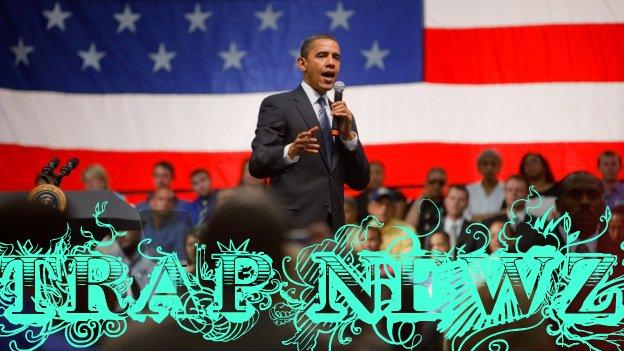


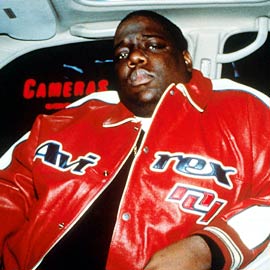
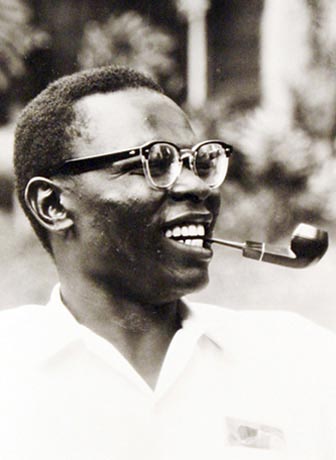
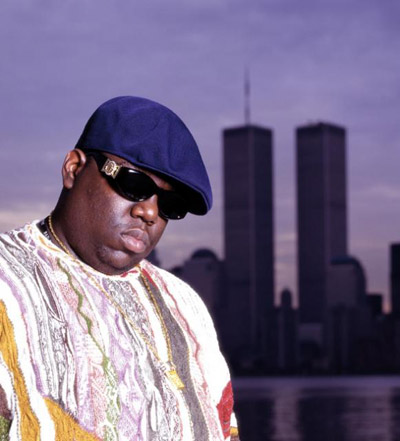
 Next page |